by Michael Fouts, RD | Jun 10, 2026
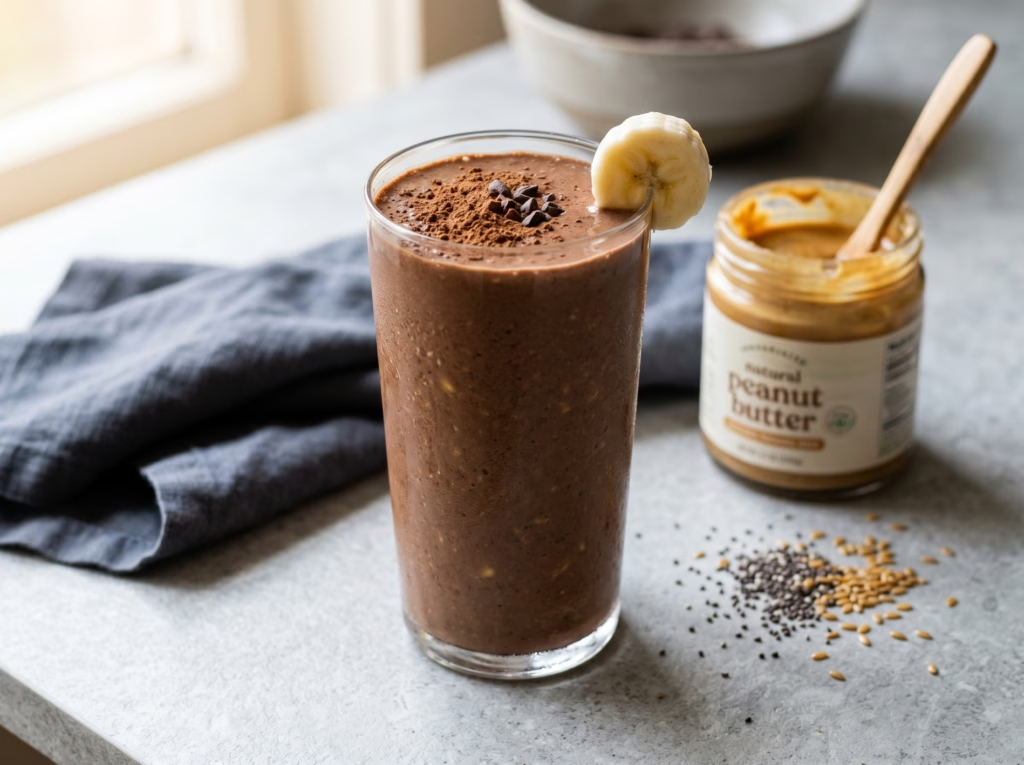
This smoothie is an athlete version of the High-Fibre Chocolate Banana Smoothie, and it’s built for serious fuel — stacked with Greek yogurt, peanut butter, oats, chia, and flax for a thick, protein-rich blend that covers fibre, healthy fats, and complex carbs in one go. Blend it up post-workout or as a calorie-dense breakfast when your training demands more.
Nutrition Per Serving
Calories: 844 cal | Protein: 52g | Carbs: 86g | Fat: 39g | Fibre: 23g
Makes 1 serving. Nutrition calculated using unsweetened almond milk. Substituting 2% dairy milk adds ~80 cal and ~8g protein.
Ingredients
- 1 cup plain Greek yogurt (2%)
- 1 large frozen banana
- 1½ tbsp cacao powder
- 2 tbsp natural peanut butter
- 2 tbsp chia seeds
- 1 tbsp flax meal
- ½ scoop chocolate protein powder
- ¼ cup rolled oats
- 1 cup milk of choice
Optional: Use chocolate or vanilla-flavoured Greek yogurt instead of plain to enhance the flavour.
Instructions
1. Blend and Serve
Add all ingredients to a blender. Blend on high for 60–90 seconds until completely smooth — the oats and chia seeds need a little extra time to fully break down. Pour into a large glass or shaker cup and drink immediately.
Dietitian Tips
- Built for high-output days. With 52g of protein and 23g of fibre, this smoothie works well as a post-training meal or a calorie-dense breakfast on hard training days.
- Natural peanut butter is the better choice. Look for a brand with just peanuts (and maybe salt) — skip the ones with added oils or sugar to keep the fat quality high.
- Boost it with dairy milk. Swapping almond milk for 2% dairy bumps calories to ~924 and adds another 8g of protein — ideal if you are in a mass-building phase.
Take Your Nutrition Further
Explore the Resources page for nutrition guides, meal planning tips, and more high-protein ideas to fuel your goals.
Leverage Nutrition clients get access to the full Recipe Selector — a personalized tool that filters recipes by your macros, preferences, and goals. Click here to learn more about working with Leverage Nutrition.
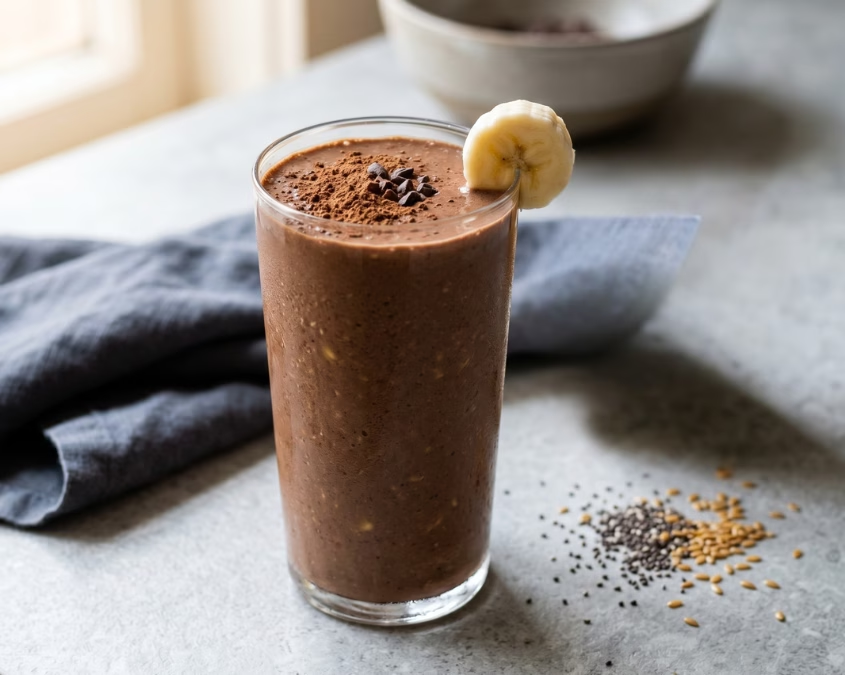
by Michael Fouts, RD | Jun 10, 2026
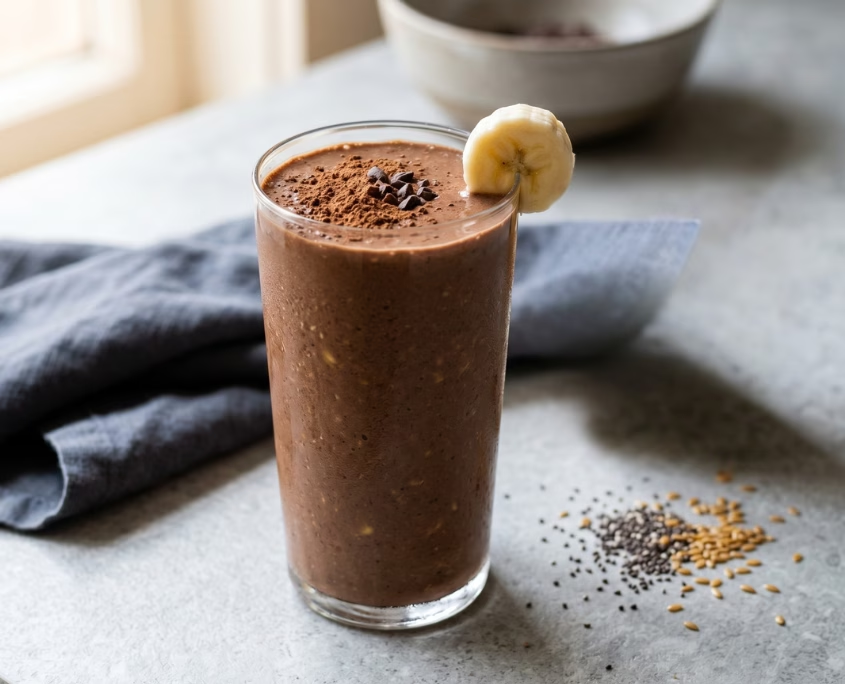
This High-Fibre Chocolate Banana PB Smoothie is a nutrient-packed blender favourite — rich and chocolatey without weighing you down. With chia seeds, flax meal, cacao, and Greek yogurt, you get a seriously satisfying combo of fibre, protein, and healthy fats in under five minutes. Perfect for breakfast or mid-afternoon snack.
Nutrition Per Serving
Calories: 346 cal | Protein: 29g | Carbs: 35g | Fat: 14g | Fibre: 11g
Makes 1 serving. Nutrition calculated using unsweetened almond milk. Substituting 2% dairy milk adds ~60 cal and ~6g protein.
Ingredients
- ½ cup plain Greek yogurt (2%)
- ½ medium frozen banana
- 1 tbsp cacao powder
- 1 tbsp chia seeds
- 1 tbsp flax meal
- ½ scoop chocolate protein powder
- ¾ cup milk of choice
Optional: Use chocolate or vanilla-flavoured Greek yogurt instead of plain to enhance the flavour.
Instructions
1. Blend and Serve
Add all ingredients to a blender. Blend on high for 45–60 seconds until smooth and creamy. Pour into a glass and enjoy immediately.
Dietitian Tips
- Freeze your banana ahead of time. A frozen banana makes the smoothie thicker and creamier — no ice needed, and it won’t dilute the flavour.
- Let it rest before drinking. If you have a minute, blend first then let it sit for 2–3 minutes — it thickens up nicely as the chia absorbs and may be easier to digest.
- Milk choice affects calories. Unsweetened almond milk keeps this around 346 cal; switching to 2% dairy brings it to about 406 cal with an extra 6g of protein.
Take Your Nutrition Further
Explore the Resources page for nutrition guides, meal planning tips, and more high-protein ideas to fuel your goals.
Leverage Nutrition clients get access to the full Recipe Selector — a personalized tool that filters recipes by your macros, preferences, and goals. Click here to learn more about working with Leverage Nutrition.

by Michael Fouts, RD | Jun 1, 2026

Mac and cheese is the kind of meal that feels like a reward after a long day — and this version earns its place in a high-protein meal plan. The secret is swapping heavy cream for plain Greek yogurt, which keeps the sauce thick and creamy while cutting unnecessary fat and adding a clean protein boost. With 454 grams of chicken folded in, you’re looking at 40 grams of protein per bowl in about 35 minutes.
Nutrition Per Serving
Calories: 580 | Protein: 40g | Carbs: 46g | Fat: 22g | Fibre: 2g
Makes 4 servings.
Ingredients
- 454g Boneless skinless chicken tenderloins or breast
- 1 tbsp Oil (olive, coconut, avocado, or canola)
- 225g Pasta of your choice
- 168g Reduced fat shredded cheddar cheese
- 56g Butter, melted
- 227g Plain Greek yogurt
Instructions
1. Make the Cheese Sauce
Mix together the shredded cheddar, melted butter, and Greek yogurt in a medium bowl until combined. To melt the butter quickly, microwave for 10–15 seconds or hold the bowl above the boiling pasta water. Set aside.
2. Prep the Chicken
Cut the chicken tenderloins or breast into 1-inch bite-size pieces. Pat dry if needed to help them brown rather than steam in the pan.
3. Boil the Pasta
Fill a medium pot with water, bring to a boil, and salt generously. Add your pasta and cook until al dente according to package directions.
4. Cook the Chicken
While the pasta cooks, heat a large frying pan over medium-high heat. Add the oil, then add the chicken pieces in a single layer. Cook until no pink remains and the pieces are lightly golden, about 8 minutes, stirring occasionally.
5. Rest the Pasta
Strain the cooked pasta and let it sit for 1–2 minutes. This brief rest helps the pasta stop steaming so the sauce clings rather than slides off.
6. Combine Sauce and Chicken
Reduce the frying pan to low heat. Add the cheese sauce to the pan with the cooked chicken and stir until the cheese melts and everything is evenly coated. Keep the heat low — too much heat can break the yogurt and make the sauce grainy.
7. Add Pasta and Serve
Add the drained pasta to the pan and mix thoroughly until every piece is coated in sauce. Serve immediately while hot.
Dietitian Tips
- Why Greek yogurt works here. Greek yogurt has a similar fat content to sour cream and a creamy texture that binds cheese sauces well. It adds protein and a slight tang that actually enhances the cheddar flavour — most people can’t tell the difference.
- Keep the heat low when adding the sauce. Greek yogurt can curdle at high heat, which makes the sauce look lumpy. Keep the pan on low and stir constantly once the sauce goes in — it only takes about 60 seconds for everything to come together.
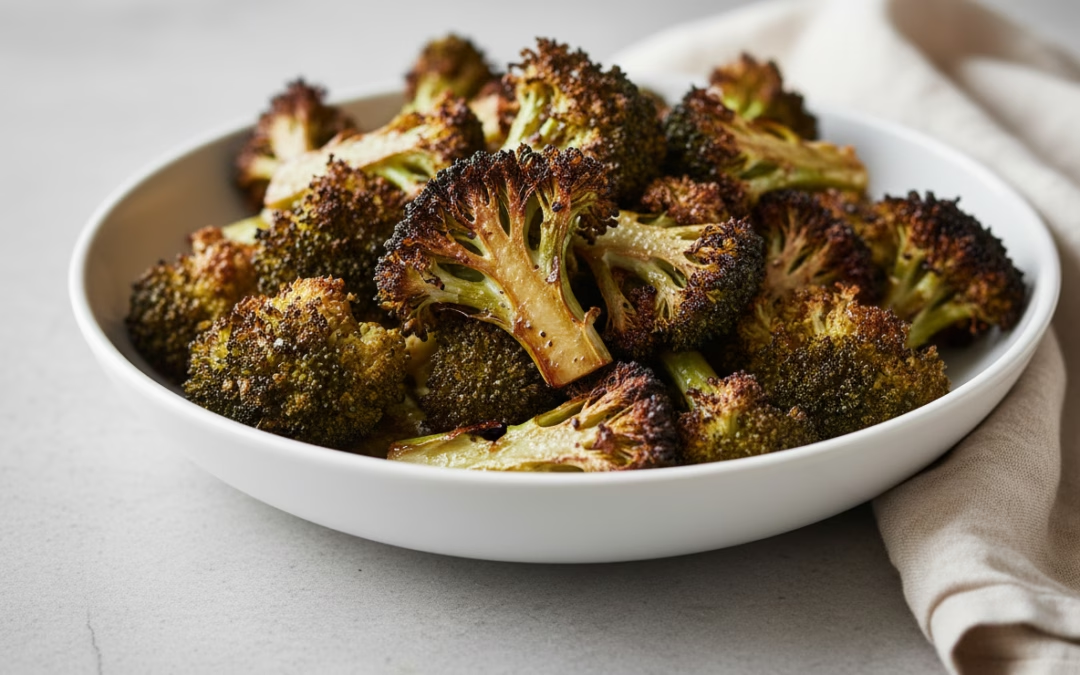
- Want to add vegetables? This pairs exceptionally well with Simple Roasted Broccoli Simple Roasted Broccoli.
Want more recipes like this?
Explore the Resources page for nutrition guides, meal planning tips, and more high-protein ideas to fuel your goals.
Leverage Nutrition clients get access to the full Recipe Selector — a personalized tool that filters recipes by your macros, preferences, and goals. Click here to book a discovery call to learn more about being a client.
by Michael Fouts, RD | Jun 1, 2026
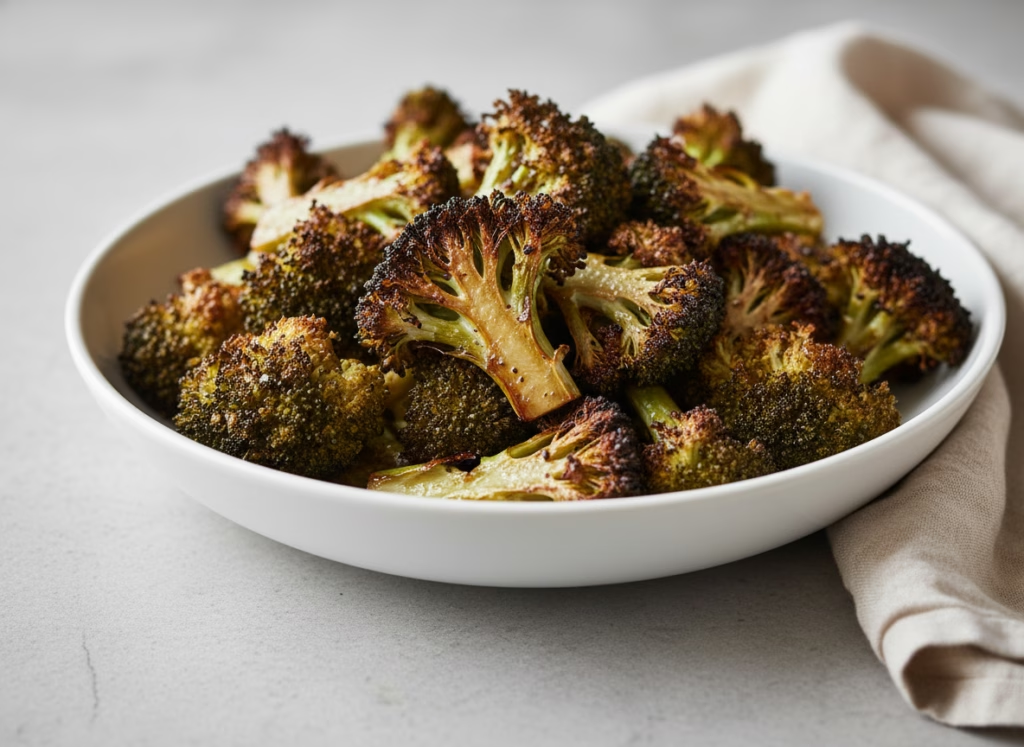
Simple Roasted Broccoli is the easiest side dish you’ll make. High heat and a little oil transform broccoli florets into something crispy, slightly charred, and genuinely delicious — ready in about 20 minutes. With just four ingredients and minimal prep, it fits effortlessly into any weeknight rotation.
Nutrition Per Serving
55 cal | 3g protein | 5g carbs | 4g fat | 2.6g fibre
Makes 4 servings.
Ingredients
- 400 grams broccoli, cut into florets
- 1 tablespoon oil (olive, avocado, or canola)
- 0.3 teaspoons salt
- 0.3 teaspoons black pepper
Instructions
1. Preheat oven
Preheat oven to 200°C (400°F). Line a baking sheet with parchment paper or foil.
2. Prep the broccoli
Cut broccoli into even-sized florets so they roast at the same rate. Pat dry with a paper towel — moisture steams instead of roasts.
3. Season
Toss florets with oil, salt, and black pepper until evenly coated. Spread in a single layer on the baking sheet — don’t crowd them or they’ll steam instead of roast.
4. Roast
Roast at 200°C for 18–20 minutes, until edges are slightly charred and stems are tender when pierced with a fork.
Dietitian Tips
- High heat is the secret. Roasting at 200°C — rather than a lower temperature — creates crispy, slightly charred edges. Lower heat traps moisture and produces soft, steamed-tasting broccoli instead.
- Don’t crowd the pan. Florets touching each other trap moisture and steam rather than roast. Give them space — use two baking sheets if needed, or roast in batches.
- Flavour it up. Toss in 1–2 cloves of minced garlic before roasting, or squeeze fresh lemon juice over top right before serving. Both options add brightness without adding significant calories.
Want More Recipes Like This?
Find more dietitian-approved recipes at leveragenutrition.ca/recipes.

by Michael Fouts, RD | May 26, 2026
Scroll through any wellness feed and you’ll see magnesium supplements marketed as the answer to poor sleep, muscle cramps, anxiety, and about a dozen other concerns. It’s become one of the trendiest supplements of the past few years — but does that mean you actually need one? As a Registered Dietitian, I get this question constantly. The answer, like most things in nutrition, is “it depends.”
What Magnesium Actually Does in Your Body
Magnesium is involved in over 300 enzymatic reactions in your body. It plays essential roles in muscle and nerve function, blood sugar regulation, blood pressure management, and protein synthesis. It’s also critical for energy production and bone health. In short, it’s not a nice-to-have mineral — it’s fundamental to how your body operates.
The recommended daily intake for adults ranges from 310–420 mg depending on age and sex. Canadian surveys consistently show that a significant portion of the population falls short of these targets through diet alone. However — and this is important — falling short of the recommended intake isn’t the same as having a clinical deficiency. True magnesium deficiency is relatively rare in healthy people, though suboptimal intake is common.
This distinction matters because supplement marketing often blurs the line between “you could eat more magnesium-rich foods” and “you desperately need this pill.” Understanding where you actually fall on that spectrum is the first step to making an informed decision about whether a magnesium supplement makes sense for you.
Who Actually Benefits from a Magnesium Supplement
Certain groups have higher magnesium needs or face greater risk of inadequate intake. If you fall into one of these categories, supplementation may be worth discussing with your healthcare provider:
- People with gastrointestinal conditions — Crohn’s disease, celiac disease, and chronic diarrhea can all impair magnesium absorption significantly.
- Those with type 2 diabetes — Insulin resistance and increased urinary excretion can deplete magnesium stores over time.
- Older adults — Absorption decreases with age, and many medications commonly prescribed to older adults can interfere with magnesium status.
- People taking certain medications — Proton pump inhibitors, some diuretics, and certain antibiotics can affect magnesium levels.
- Heavy exercisers — Magnesium is lost through sweat, and intense training increases requirements.
For these populations, the evidence supporting magnesium supplementation is reasonably strong. But for the average healthy adult eating a varied diet? The picture is less clear. Most research showing benefits of supplementation has been conducted in people who were deficient to begin with — not in people with adequate intake.
The Sleep and Anxiety Claims: What Does the Evidence Say?
This is where supplement marketing gets ahead of the science. You’ll see magnesium glycinate promoted for sleep and magnesium threonate for cognitive function and anxiety. While there’s some mechanistic plausibility — magnesium does play a role in GABA receptor function and the stress response — the clinical trial evidence is mixed at best.
A 2021 systematic review found that magnesium supplementation may have modest benefits for subjective sleep quality, but the effect sizes were small and study quality was generally poor. For anxiety, a 2017 review concluded there was “suggestive but not conclusive” evidence for benefit, again with significant limitations in the research.
Does this mean magnesium supplements are useless for sleep or stress? Not necessarily. But it does mean the dramatic claims you see online aren’t well-supported. If you’re struggling with sleep or anxiety, addressing root causes — stress management, sleep hygiene, potentially working with a mental health professional — will likely yield better results than any supplement.
Food Sources: Can You Get Enough from Diet Alone?
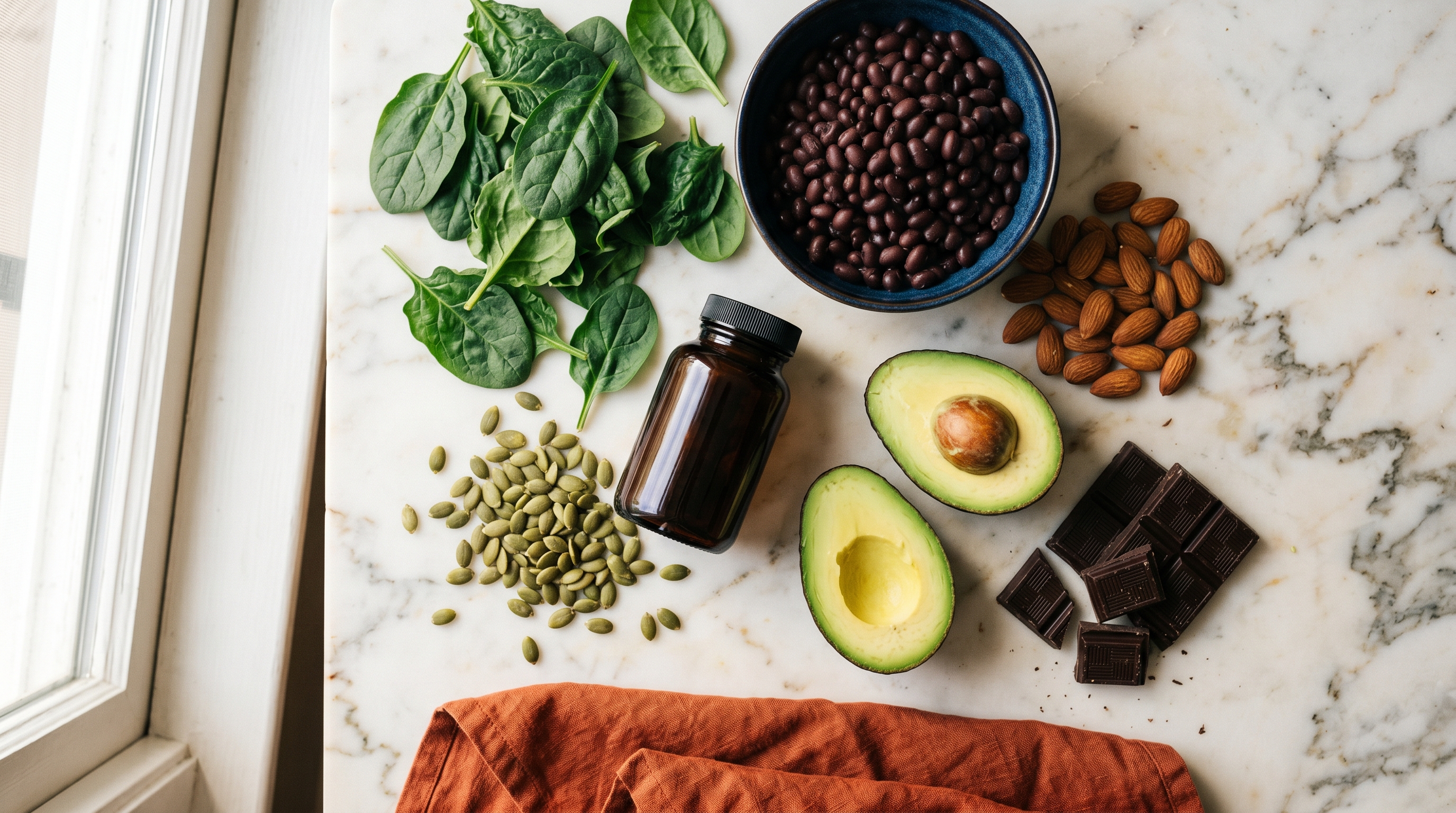
Absolutely — for most people. Magnesium is abundant in many whole foods that should already be part of a balanced diet:
- Pumpkin seeds — 156 mg per 30g serving
- Chia seeds — 111 mg per 30g serving
- Almonds — 80 mg per 30g serving
- Spinach (cooked) — 78 mg per 125mL serving
- Black beans — 60 mg per 125mL serving
- Edamame — 50 mg per 125mL serving
- Dark chocolate (70%+) — 64 mg per 30g serving
If you’re eating a diet that includes legumes, nuts, seeds, whole grains, and leafy greens regularly, you’re likely getting close to adequate magnesium intake. The people who tend to fall short are those eating highly processed diets low in these foods — and for them, the better intervention is usually improving overall diet quality rather than adding a supplement.
The Bottom Line
Do you need a magnesium supplement? If you’re a healthy adult eating a reasonably varied diet, probably not. The marketing hype around magnesium has outpaced the evidence, and for most people, whole food sources are sufficient and come with additional nutritional benefits that pills can’t replicate. That said, if you fall into a higher-risk category — GI conditions, type 2 diabetes, older age, certain medications, or very intense exercise — supplementation may be reasonable and worth discussing with your healthcare provider.
The best approach, as with most nutrition questions, is to build a foundation of whole foods first and consider targeted supplementation only when there’s a clear indication. If you’d like personalised guidance on whether supplementation makes sense for your situation, learn more about working together at leveragenutrition.ca.
Thanks for reading. Here are some other ways we can help:
Social Media: Instagram I Youtube I Facebook