by Michael Fouts, RD | Jun 18, 2026
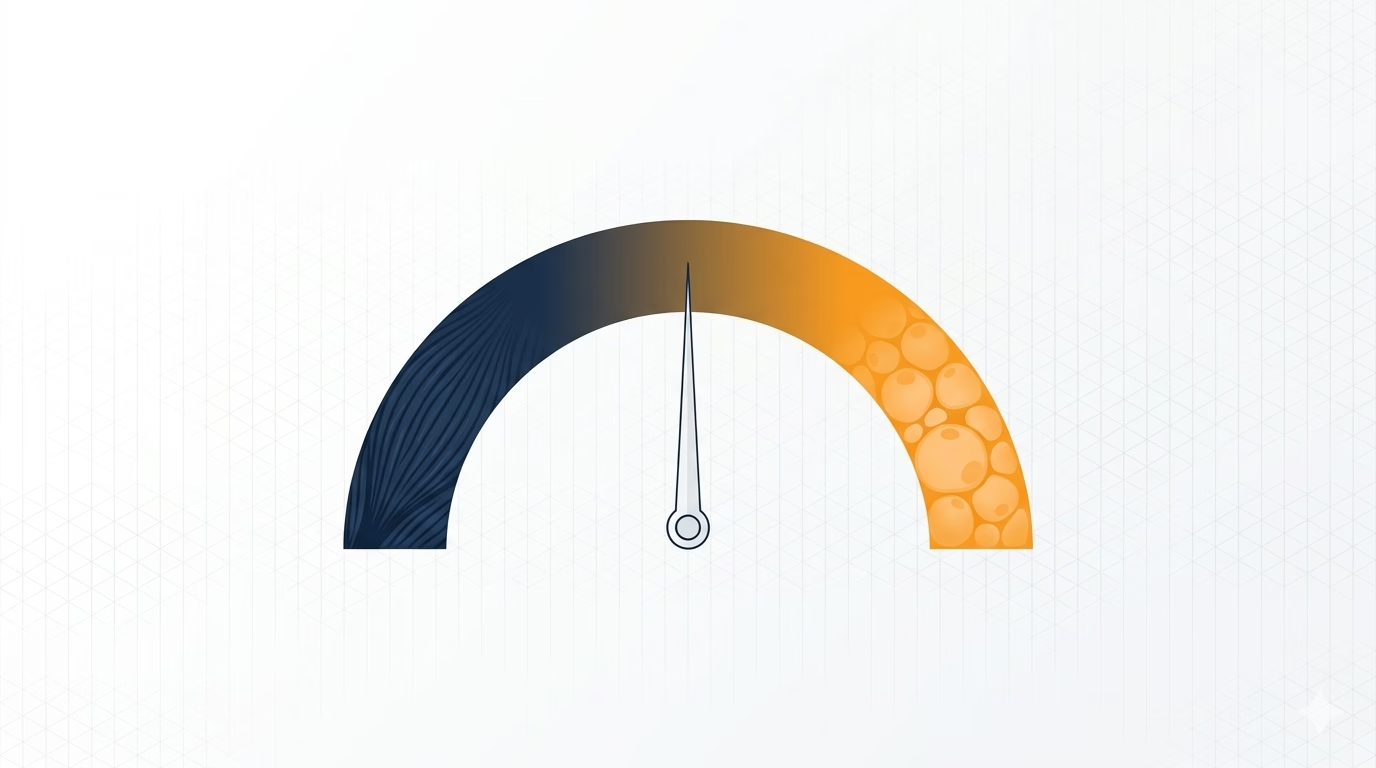 When the scale drops, most people celebrate. But here’s the uncomfortable truth: that number doesn’t tell you what you’re actually losing. Your body doesn’t just burn fat when you’re in a calorie deficit — it chooses from a fuel source spectrum that ranges from stored body fat on one end to muscle tissue and glycogen on the other. Where you land on that spectrum depends entirely on how you set up your nutrition and training. Get it right, and you lose fat while keeping your muscle. Get it wrong, and you watch your hard-earned muscle disappear while your body fat percentage barely budges.
The Fuel Source Spectrum: Why Your Body Burns Muscle or Fat
Think of your body as a furnace that can burn multiple fuel sources. At one end of the spectrum, you have fat oxidation — your body efficiently tapping into stored body fat for energy. At the other end, you have muscle catabolism — your body breaking down muscle protein for fuel, along with depleting glycogen stores. Most people assume that eating less automatically means burning fat, but that’s not how physiology works.
Your body is constantly making decisions about which fuel to prioritise based on the signals you send it. These signals include how large your calorie deficit is, how much protein you’re eating, whether you’re giving your muscles a reason to stick around (through resistance training), how well you’re sleeping, and how consistently you’re following your plan. When these inputs line up correctly, your body preferentially burns fat. When they don’t, you lose muscle — and often don’t even realise it until months later when you’ve lost weight but still don’t look or feel the way you expected.
The 5 Inputs That Push Your Body Toward Fat Burning
Research consistently shows that certain factors protect muscle mass while you’re losing weight. These aren’t optional add-ons — they’re the foundation of any fat loss approach that actually works long-term.
- A moderate calorie deficit (250–500 kcal per day): Aggressive restriction signals to your body that food is scarce, triggering muscle breakdown for energy. A modest deficit — roughly 250 to 500 calories below your maintenance needs — creates enough of a gap to lose fat while keeping your body from panicking.
- Protein intake of 1.6–2.2 g/kg body weight: Protein is the single most important macronutrient for muscle preservation. The research is clear: hitting 1.6 to 2.2 grams per kilogram of body weight daily provides the amino acids your muscles need to repair and maintain themselves, even in a deficit.
- Resistance training: Your muscles need a reason to exist. Without the stimulus of lifting weights, your body sees muscle tissue as expensive metabolic real estate it doesn’t need to maintain. Resistance training signals that those muscles are essential — so your body looks elsewhere for fuel.
- Quality sleep: Sleep is when your body does most of its repair and recovery work. Poor sleep increases cortisol, impairs protein synthesis, and shifts your fuel usage toward muscle breakdown. Seven to nine hours of quality sleep isn’t a luxury — it’s a fat loss necessity.
- Consistent adherence: The best plan in the world doesn’t work if you follow it for three days, fall off for four, then start again. Your body responds to consistent signals over time. Adherence beats perfection every single time.
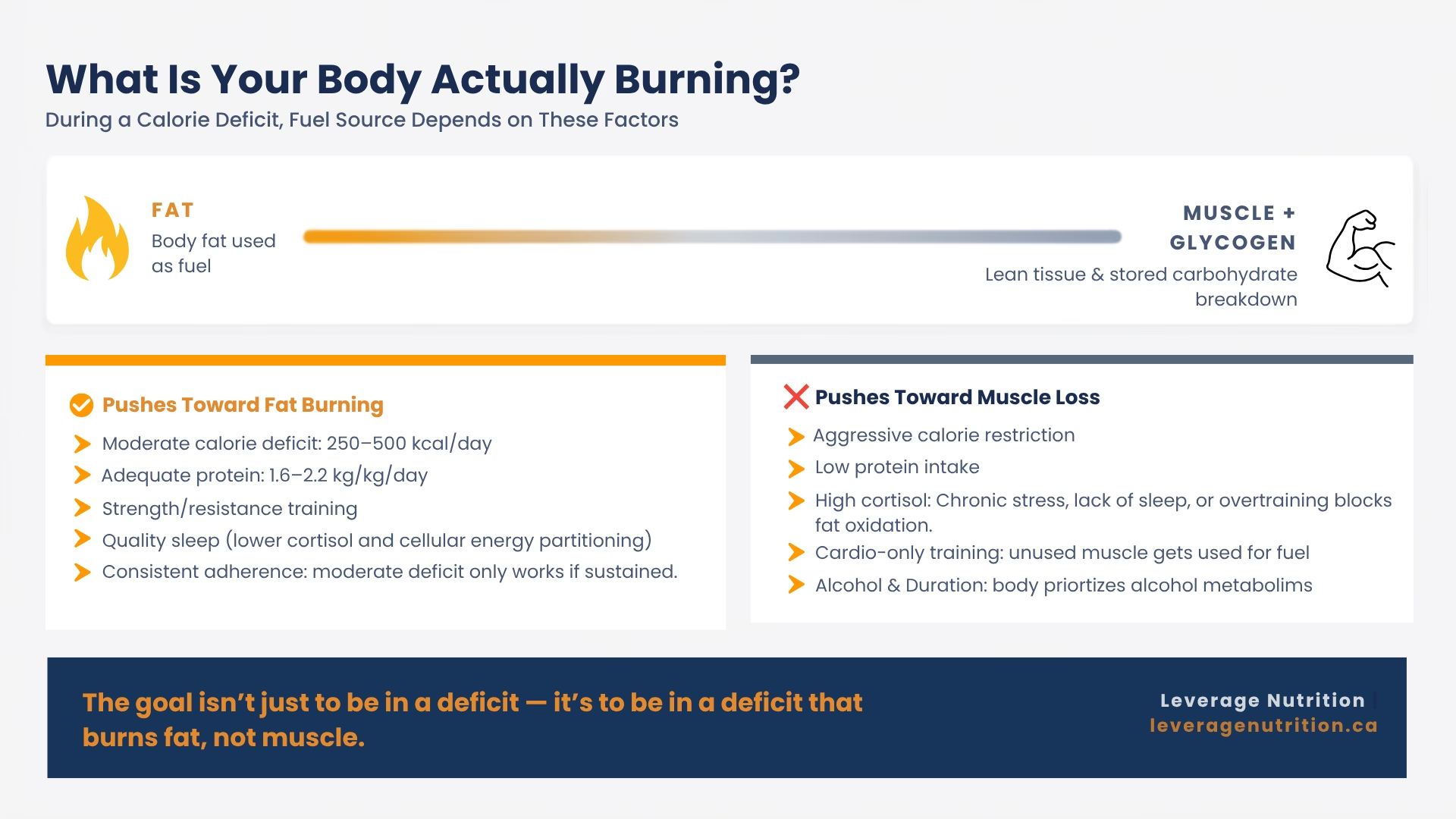
The 5 Inputs That Drive Muscle Loss
On the flip side, certain behaviours reliably push your body toward losing muscle not fat. If you recognise yourself in this list, don’t panic — awareness is the first step toward fixing it.
- Aggressive calorie restriction: Dropping your calories too low (especially below 1,200 for women or 1,800 for men) triggers a survival response. Your body starts breaking down muscle tissue for energy because it’s convinced food is scarce and it needs to become more metabolically efficient.
- Low protein intake: When protein is insufficient, your body can’t maintain muscle tissue. It’s that simple. Most people dramatically underestimate how much protein they need, especially when they’re eating less overall.
- High cortisol from stress and poor sleep: Chronic stress and sleep deprivation both elevate cortisol, a hormone that promotes muscle breakdown and makes fat storage more likely — particularly around the midsection. You can’t out-train or out-diet chronically elevated cortisol.
- Cardio-only training: Running, cycling, and other cardio activities are great for cardiovascular health, but they don’t signal to your body that it needs to keep muscle. Without resistance training, your body has no reason to preserve metabolically expensive muscle tissue.
- Alcohol: Alcohol impairs protein synthesis, disrupts sleep quality, and increases cortisol. Regular consumption — even moderate amounts — creates a hormonal environment that favours muscle loss over fat loss.
The Practical Setup Framework for Fat Loss
Knowing the theory is one thing. Putting it into practice is another. Here’s the framework that actually works, in the order you should approach it:
- Set your protein target first. Before you think about calories, carbs, or anything else, figure out your protein needs. For most people, this means aiming for 1.6 to 2.2 grams per kilogram of body weight. If you weigh 80 kg, that’s roughly 130 to 175 grams of protein daily. Build every meal around hitting this number.
- Make resistance training non-negotiable. This isn’t about becoming a bodybuilder. It’s about giving your muscles the stimulus they need to stick around while you’re in a deficit. Two to four sessions per week of full-body or upper/lower training is enough for most people. The key is consistency, not intensity.
- Address sleep before adding training volume. If you’re sleeping poorly, adding more workouts won’t help — it’ll make things worse. Fix your sleep hygiene first: consistent bedtime, dark room, limited screens before bed. Once sleep is solid, then consider adding more training.
- Keep your deficit modest. Aim for 250 to 500 calories below your maintenance level. Yes, this means slower weight loss. But the weight you lose will actually be fat, not the muscle you’ve worked to build. Patience here pays off in the mirror later.
The Bottom Line
The difference between losing muscle not fat and actually achieving body recomposition comes down to how you set up your approach. A moderate deficit, adequate protein, resistance training, quality sleep, and consistent adherence push your body toward burning fat. Aggressive restriction, low protein, high stress, cardio-only training, and alcohol push it toward burning muscle. You get to choose which set of inputs you prioritise.
The scale doesn’t know the difference between fat loss and muscle loss — but your body composition, energy levels, and long-term results certainly do.
If you want to learn more about setting up your nutrition for sustainable fat loss, explore the free resources at leveragenutrition.ca.
Thanks for reading. Here are some other ways we can help:
Social Media: Instagram I Youtube I Facebook
by Michael Fouts, RD | Jun 17, 2026
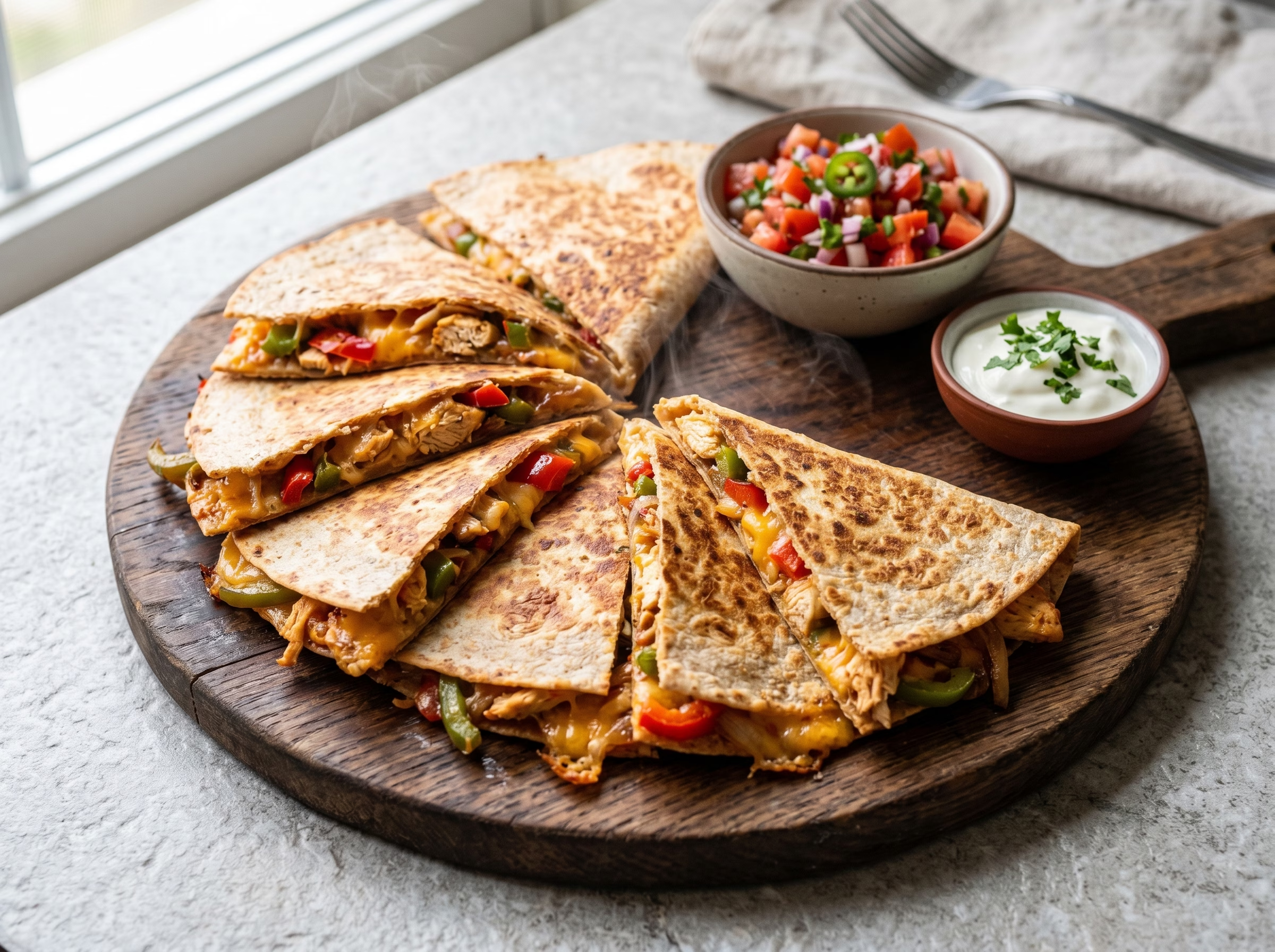
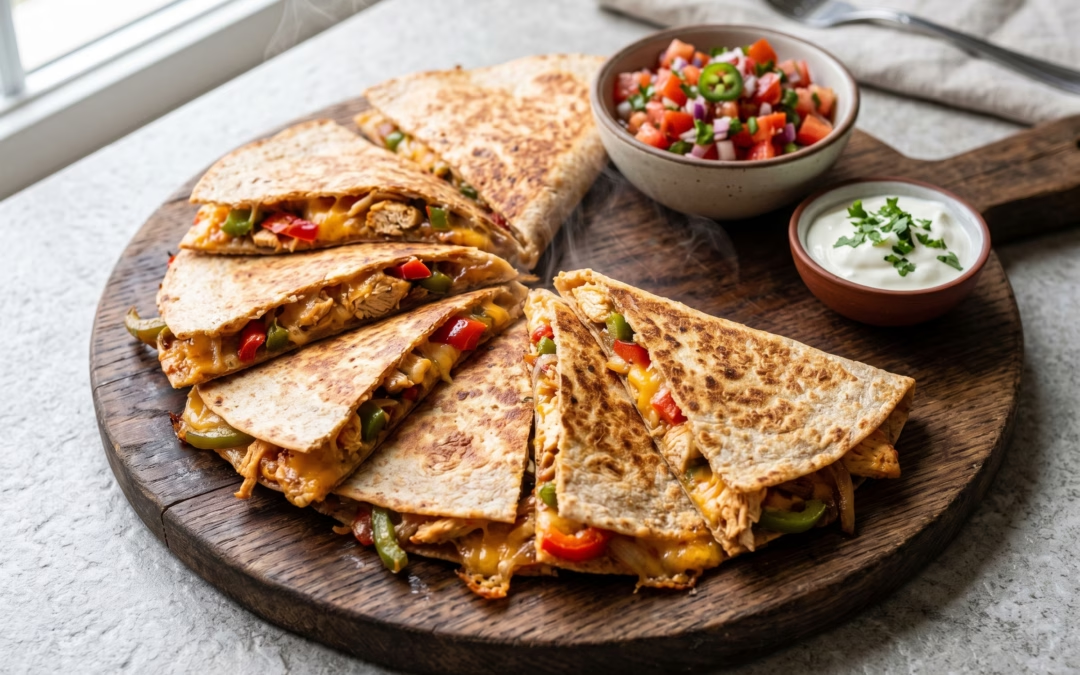
These Chicken Quesadillas are the one self-managed meal in the week — a quick Sunday supper that comes together in 15 minutes from whatever cooked chicken you have on hand. Two whole wheat tortillas, shredded cheddar, sautéed bell pepper and onion, and a side of salsa and sour cream. It’s a genuinely satisfying end to the week, with 70 grams of protein from just one serving and enough flexibility to use canned chicken, leftover chicken from a prep day, or anything else you’ve got. Medium heat is the key — too hot and the tortilla burns before the cheese melts.
Nutrition Per Serving
Calories: 746 | Protein: 70g | Carbs: 50g | Fat: 30g | Fibre: 6g
Makes 1 serving.
Ingredients
- 2 large Whole wheat tortillas
- 170g (6oz) Cooked chicken breast, shredded or sliced (canned chicken or any leftover chicken works)
- 1 oz (30g) Cheddar cheese, shredded or sliced
- ½ cup Bell pepper and onion, sliced thin
- 2 tbsp Salsa
- 2 tbsp Sour cream
- 1 tsp Olive oil
Instructions
1. Cook the Vegetables
Heat a non-stick pan over medium heat with a small drizzle of olive oil. Add sliced bell pepper and onion. Cook 4–5 min until softened. Set aside. (This step is optional but recommended — it adds flavour and texture.)
2. Build and Cook the Quesadillas
Lay one tortilla flat. Layer chicken, cheese, and cooked vegetables on one half of the tortilla. Fold the other half over to close. In the same pan over medium heat, place the folded quesadilla. Cook 2–3 min per side until golden brown and cheese is melted. Press down lightly with a spatula. Repeat with the second tortilla.
3. Slice and Serve
Slice each quesadilla into wedges. Serve with salsa and sour cream on the side for dipping.
Dietitian Tips
- Medium heat is essential. Too hot and the tortilla burns before the cheese has a chance to melt. If your pan runs hot, drop to medium-low.
- Using canned chicken? Drain it well, then season with a pinch of salt, pepper, and garlic powder before assembling — it makes a noticeable difference.
- Impressive protein-to-time ratio. 70g of protein in 15 minutes is hard to beat — this is a great option any night you don’t have a prepped meal ready.
Take Your Nutrition Further
Explore the Resources page for nutrition guides, meal planning tips, and more high-protein ideas to fuel your goals.
Leverage Nutrition clients get access to the full Recipe Selector — a personalized tool that filters recipes by your macros, preferences, and goals. Click here to learn more about working with Leverage Nutrition.
by Michael Fouts, RD | Jun 17, 2026
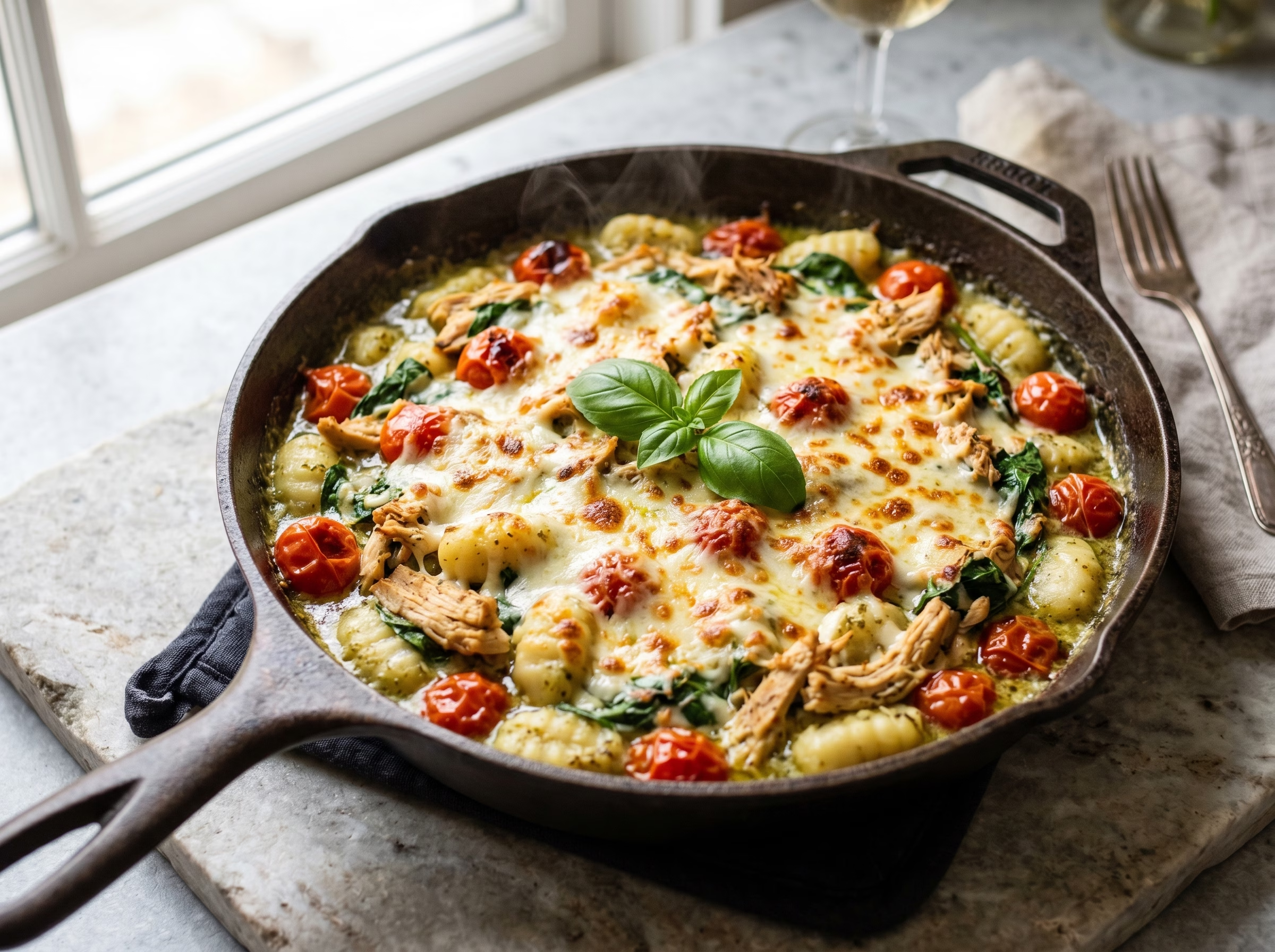
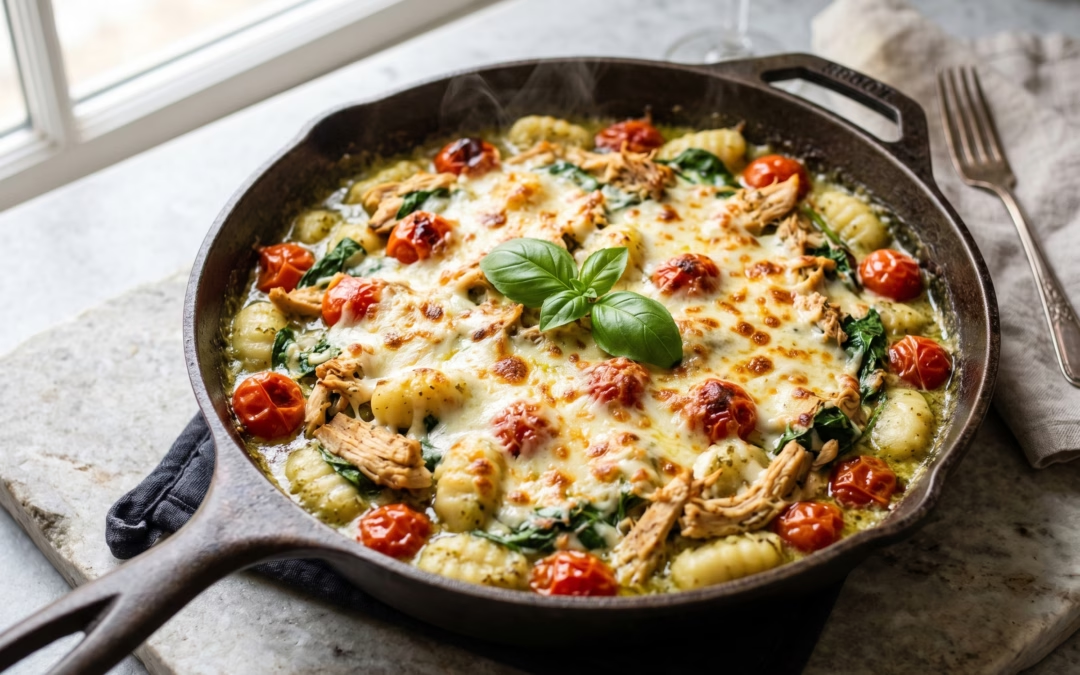
A one-pan dinner that goes from stovetop to oven in under 30 minutes — pillowy gnocchi soaked in a creamy pesto sauce with burst cherry tomatoes, wilted greens, and a bubbly mozzarella top. It’s the kind of meal that looks like it took way more effort than it did, and it delivers 34g of protein per serving without feeling like diet food.
Nutrition Per Serving
Calories: 463 cal | Protein: 34g | Carbs: 29g | Fat: 22g | Fibre: 3g
Makes 4 servings.
Ingredients
- 1 lb chicken breast or thighs, cubed
- 1 tbsp olive oil
- Salt, pepper, and garlic powder, to taste
- 1 × 16 oz package gnocchi (shelf-stable or refrigerated)
- 1 cup cherry tomatoes, halved
- 2 cups spinach or kale
- 1 cup light cream or half and half
- ½ cup basil pesto
- ½ cup shredded mozzarella
- 2 tbsp grated Parmesan, plus extra for serving
Instructions
1. Sear the Chicken
Preheat oven to 400°F (200°C). Heat olive oil in an oven-safe skillet over medium-high heat. Season the cubed chicken with salt, pepper, and garlic powder, then cook for 5–7 minutes until browned and mostly cooked through.
2. Build the Sauce
Add the uncooked gnocchi and halved cherry tomatoes directly to the skillet. Pour in the cream and pesto, stirring to coat everything evenly. Fold in the spinach or kale and let it wilt slightly into the sauce.
3. Simmer
Let the mixture simmer for 3–4 minutes, stirring occasionally, until the sauce thickens slightly and the gnocchi begin to soften.
4. Top and Bake
Sprinkle the shredded mozzarella and Parmesan evenly over the top without stirring them in. Transfer the skillet to the oven and bake for 10–12 minutes until the cheese is bubbly and golden.
5. Rest and Serve
Remove from the oven and let rest for 5 minutes before serving. Finish with extra Parmesan or fresh basil if desired.
Dietitian Tips
- Chicken thighs vs. breast. Either works well here, but thighs stay juicier through the bake and add a bit more flavour. The fat difference is small — about 2–3g extra per serving.
- Lighten the cream without losing texture. Swap light cream for evaporated skim milk with 1 tsp of cornstarch whisked in. You get the same creaminess with less fat and a small protein boost.
- Carb-aware swap. At 29g of carbs per serving, this is a solid moderate-carb dinner. To lower it, reduce the gnocchi by a third and add extra spinach — the sauce-to-gnocchi ratio still works great.
Take Your Nutrition Further
Explore the Resources page for nutrition guides, meal planning tips, and more high-protein ideas to fuel your goals.
Leverage Nutrition clients get access to the full Recipe Selector — a personalized tool that filters recipes by your macros, preferences, and goals. Click here to learn more about working with Leverage Nutrition.
by Michael Fouts, RD | Jun 16, 2026
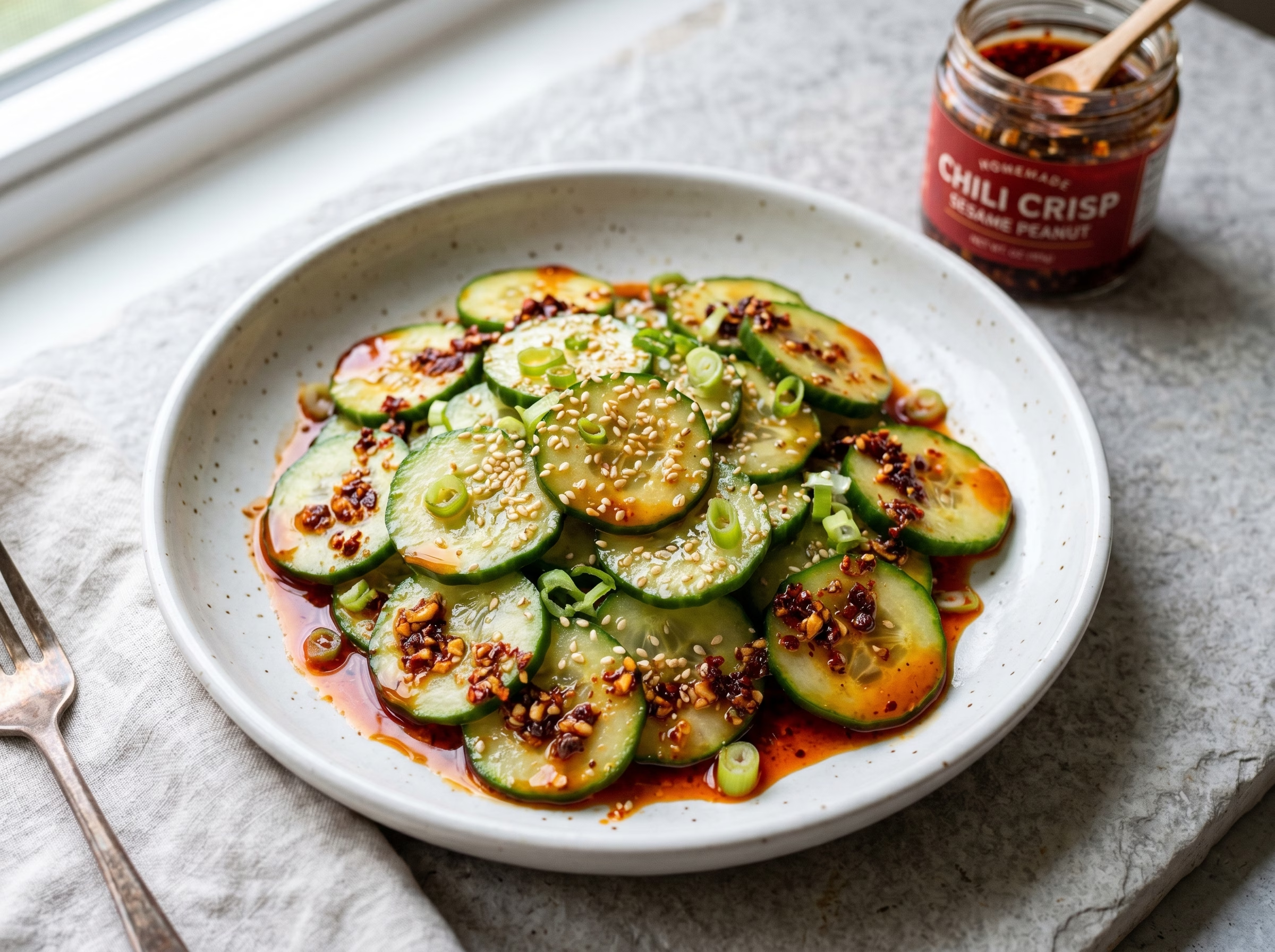
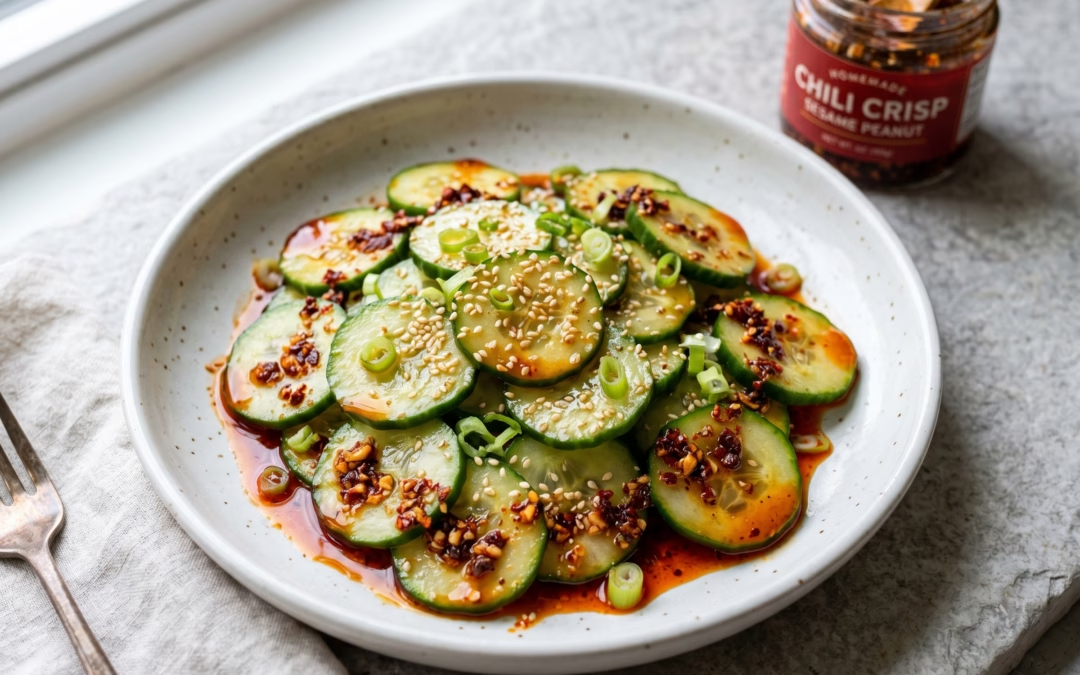
The simplest thing you can make when you want something fresh and a little spicy — cucumber slices tossed in a sesame-peanut chili crisp dressing that comes together in one bowl in under five minutes. Great as a side, a snack, or a base you can throw shredded chicken or edamame on top of to turn into a proper lunch.
Nutrition Per Serving
Calories: 139 cal | Protein: 3g | Carbs: 6g | Fat: 12g | Fibre: 1g
Makes 4 servings.
Ingredients
- 450g (1 lb) seedless cucumbers, sliced into ¼–½-inch rounds
- 2 tbsp sesame seeds or chopped roasted peanuts, for topping
Peanut Chili Crisp Sauce
- 1 tbsp peanut butter
- 2 tbsp toasted sesame oil
- 1 tbsp chili crisp
- 1 tbsp rice wine vinegar
- 1 tbsp tamari or low-sodium soy sauce
- 1 tsp fresh garlic, grated
- ¼ tsp flaky salt or kosher salt
Instructions
1. Make the Sauce
Whisk all sauce ingredients together in a bowl, or combine in a lidded jar and shake until smooth.
2. Toss the Cucumbers
Place the sliced cucumbers in a large bowl and pour the sauce over top. Toss gently until every slice is evenly coated.
3. Finish and Serve
Sprinkle with sesame seeds or chopped roasted peanuts and serve immediately. Keeps refrigerated for 1–2 days.
Dietitian Tips
- Turn it into a meal. Toss in shredded chicken, shelled edamame, or sliced tofu to add 15–20g of protein and make it a proper lunch — the sauce more than covers it.
- Use tamari to keep it gluten-free. Tamari is a one-to-one swap for soy sauce and gives you the same depth of flavour without any gluten.
- Less watery dressing. Cucumbers release water as they sit. For a crisper salad that holds up longer, salt the slices, let them sit 10 minutes, then pat dry before tossing with the dressing.
Take Your Nutrition Further
Explore the Resources page for nutrition guides, meal planning tips, and more high-protein ideas to fuel your goals.
Leverage Nutrition clients get access to the full Recipe Selector — a personalized tool that filters recipes by your macros, preferences, and goals. Click here to learn more about working with Leverage Nutrition.
by Michael Fouts, RD | Jun 10, 2026
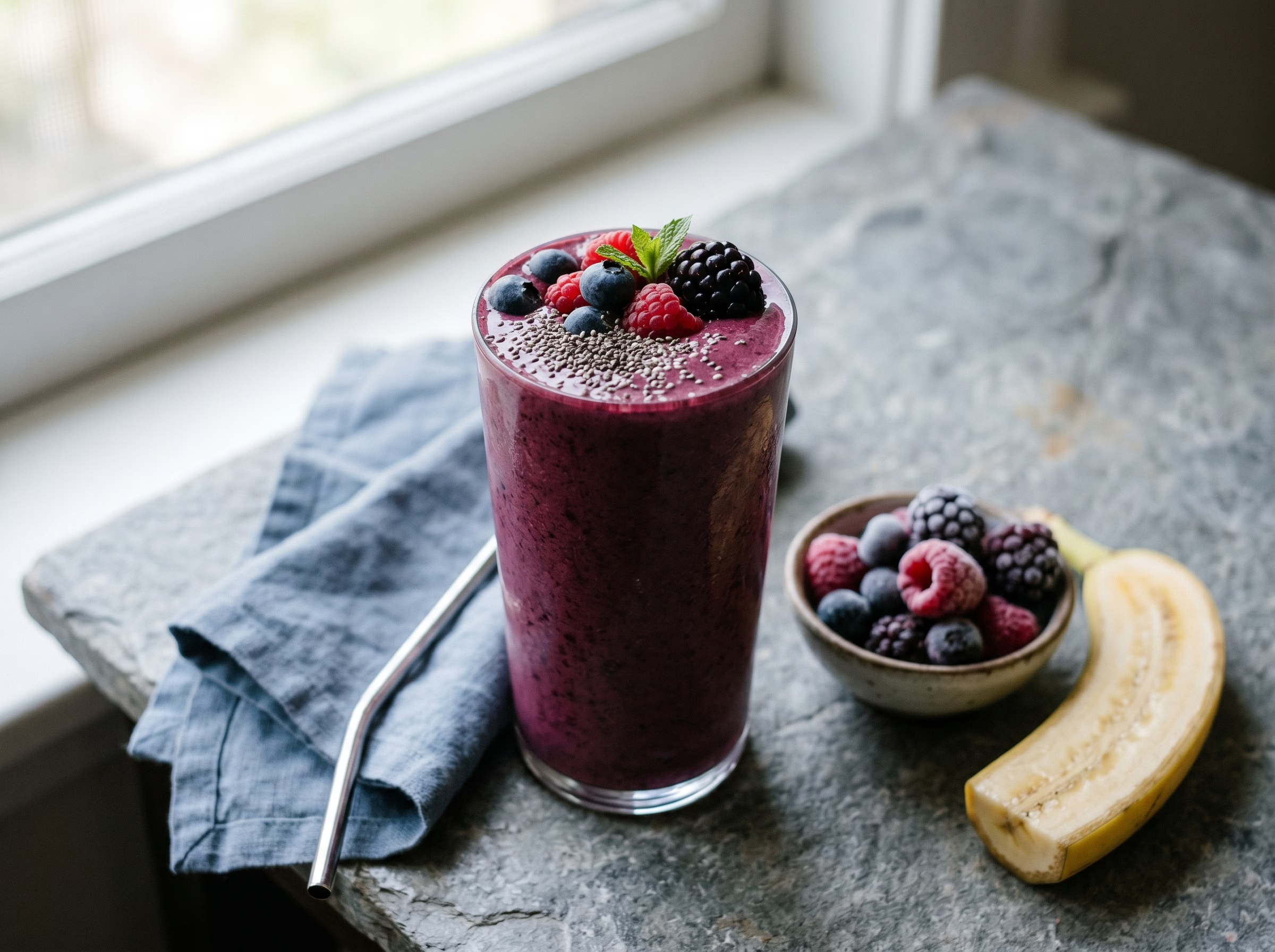
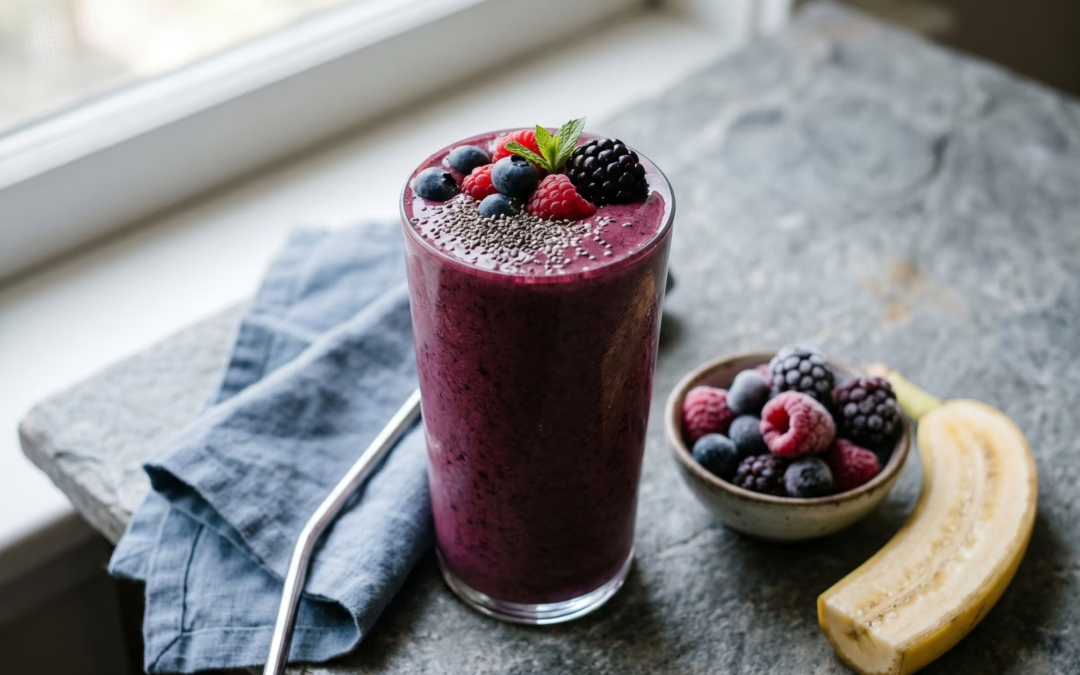
This High-Fibre Berry Blast Smoothie is a quick, flavour-packed breakfast that delivers real nutritional value in every sip. Frozen berries and banana bring natural sweetness and colour, while chia seeds, flax meal, and Greek yogurt build a strong base of fibre, protein, and healthy fats. Blend it up in under five minutes and you’re set for the morning.
Nutrition Per Serving
Calories: 375 cal | Protein: 28g | Carbs: 42g | Fat: 13g | Fibre: 11g
Makes 1 serving. Nutrition calculated using unsweetened almond milk. Substituting 2% dairy milk adds ~60 cal and ~6g protein.
Ingredients
- ½ cup plain Greek yogurt (2%)
- ½ cup frozen mixed berries
- ½ medium frozen banana
- 1 tbsp chia seeds
- 1 tbsp flax meal
- ½ scoop vanilla protein powder
- ¾ cup milk of choice
Optional: Use vanilla or strawberry-flavoured Greek yogurt instead of plain to enhance the flavour.
Instructions
1. Blend and Serve
Add all ingredients to a blender. Blend on high for 45–60 seconds until smooth and creamy. Pour into a glass and enjoy immediately.
Dietitian Tips
- Freeze your banana ahead of time. A frozen banana gives the smoothie a thicker, creamier texture without needing ice — which would dilute the flavour.
- Mixed berries are a fibre win. Raspberries and blackberries in particular are among the highest-fibre fruits you can add — choose a mix that includes them for the best fibre boost.
- Milk choice affects the totals. Unsweetened almond milk keeps this around 375 cal; switching to 2% dairy brings it to about 435 cal with an extra 6g of protein.
Take Your Nutrition Further
Explore the Resources page for nutrition guides, meal planning tips, and more high-protein ideas to fuel your goals.
Leverage Nutrition clients get access to the full Recipe Selector — a personalized tool that filters recipes by your macros, preferences, and goals. Click here to learn more about working with Leverage Nutrition.