Recipe: Apple Pie Oats — Mike’s Protein Version

Recipe: Apple Pie Oats — Mike’s Protein Version

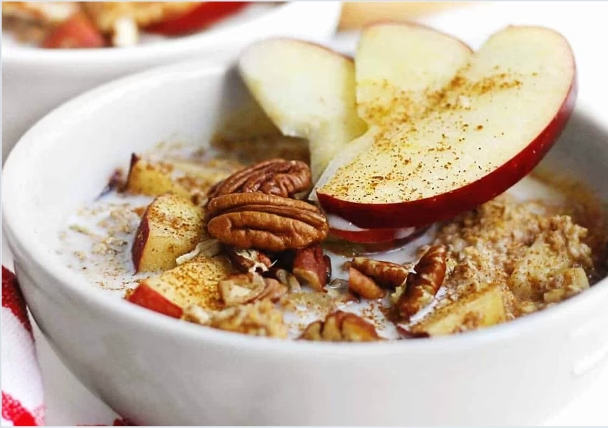
This is Mike’s protein-boosted take on apple pie oats — ready in 5 minutes in the microwave and hitting 35g of protein per bowl. The apple gets softened in maple syrup, cinnamon, and vanilla first, which gives the whole bowl that warm apple pie flavour without any extra effort. A genuinely satisfying breakfast that works for fat loss and muscle building alike.

Nutrition Per Serving

Calories: 488  |  Protein: 35g  |  Carbs: 66g  |  Fat: 12g  |  Fibre: 11g

Makes 1 serving. Ready in 5 minutes.

Ingredients

  • 1/2 cup rolled oats
  • 1/2 cup 1% milk
  • 1 apple, chopped
  • 1 1/2 tsp maple syrup
  • 1/4 tsp cinnamon
  • 1/4 tsp vanilla extract
  • 1/3 cup protein powder
  • 1 tbsp all natural peanut butter

Instructions

  1. Add the chopped apple, maple syrup, cinnamon, and vanilla extract to a microwave-safe bowl. Stir to coat the apple, then microwave for 1 minute or until the apple is softened.
  2. Add the rolled oats and milk to the bowl and stir to combine.
  3. Microwave for 60–90 seconds, until the oats have absorbed most of the liquid and reached your preferred consistency.
  4. Stir in the protein powder and peanut butter until fully mixed. Add a splash more milk if needed to loosen the texture.


Tips & Variations

More Protein

Add 1/2 to 1 full scoop of protein powder to push the protein even higher. If you want more calories and protein, use 2–3 tbsp of peanut butter instead of 1.

Sweetness

Adjust sweetness by using more or less maple syrup. The apple provides natural sugar, so you may find you need less than you think.

Great Toppings

Top with any of the following: nuts, seeds, nut butter, dried fruit, or fresh berries. Pecans are a particularly good match for the apple pie flavour.

Want Softer Apples?

Microwave the apple for an extra 30–60 seconds in step 1 before adding the oats.


Dietitian Notes

  • 35g protein from a microwave breakfast is genuinely impressive — the protein powder does the heavy lifting here, but the oats, milk, and peanut butter all contribute.
  • 11g of fibre per bowl supports satiety, blood sugar stability, and gut health. Oats contain beta-glucan, a soluble fibre with well-researched cholesterol-lowering effects.
  • Protein powder tip: Stir it in after microwaving rather than before — cooking protein powder can change the texture. Vanilla flavour works best with this recipe.
  • This is a strong option for anyone trying to hit high protein targets without relying on multiple large meals throughout the day.
The 30-30-30 Rule for Weight Loss: Does It Actually Work?

The 30-30-30 Rule for Weight Loss: Does It Actually Work?

Every few months, a new “rule” takes over social media promising effortless fat loss. Most are nonsense. But occasionally, one comes along that’s actually grounded in solid nutrition science — and the 30-30-30 rule might be one of them. A 2026 narrative review pulled together the evidence on protein, fibre, and exercise, and the findings are worth your attention.

What Is the 30-30-30 Rule?

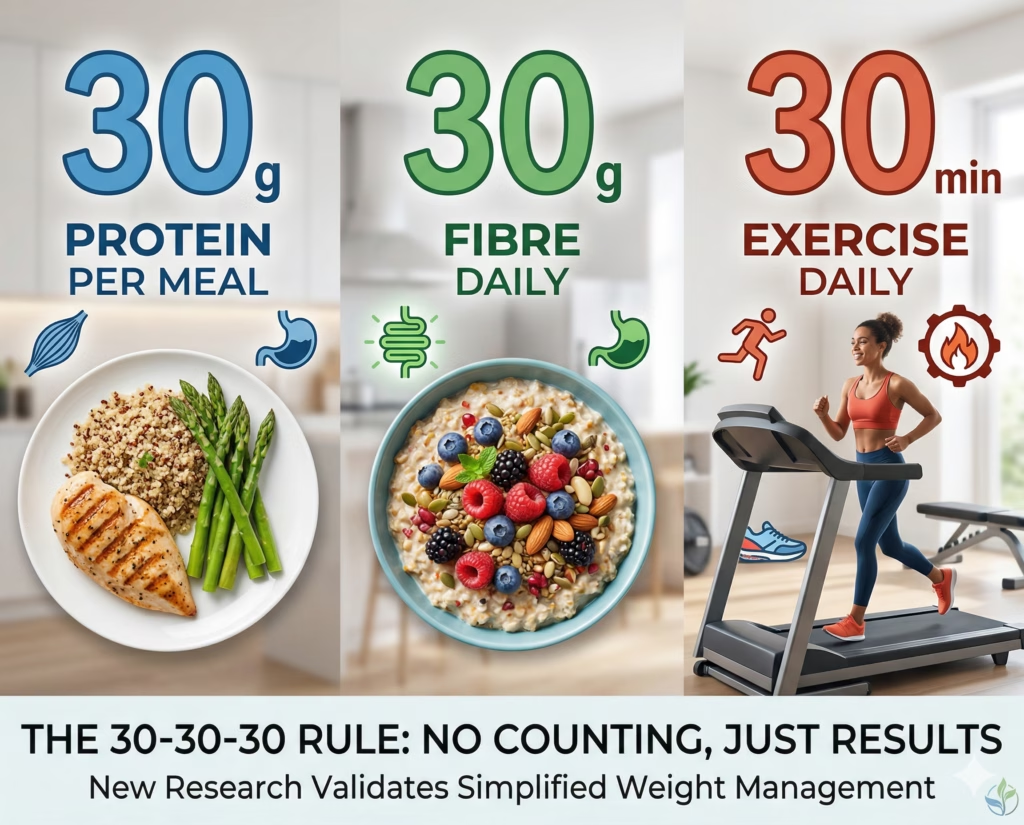
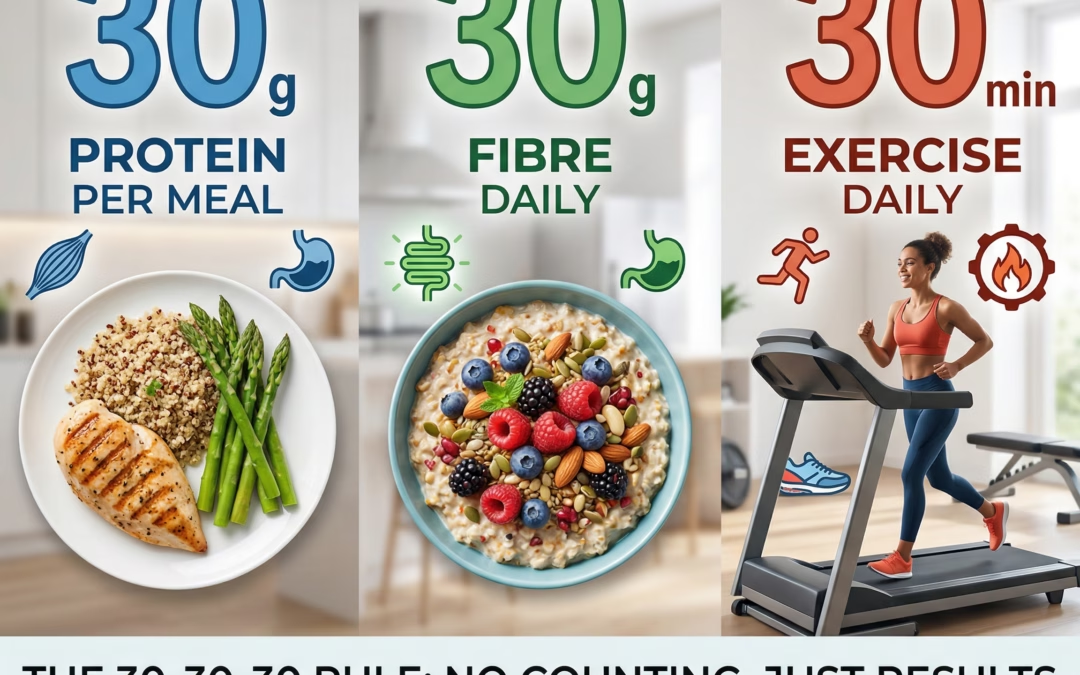
The 30-30-30 rule is refreshingly simple: aim for 30 grams of protein per meal, 30 grams of fibre daily, and 30 minutes of exercise each day. No calorie counting. No food group elimination. No expensive supplements.

The recent review published in PMC examined how each of these three elements contributes to weight management — and more importantly, how they work together. The researchers found that combining all three created synergistic effects that outperformed any single approach on its own.

For Canadians tired of complicated diet programmes that require spreadsheets and meal prep Sundays, this framework offers something different: clear targets you can hit without overhauling your entire life.

Why 30g Protein Per Meal Matters for Fat Loss

Protein does heavy lifting when you’re trying to lose fat. First, it’s the most satiating macronutrient — meaning it keeps you fuller longer than the same calories from carbs or fat. Hit 30 grams at breakfast, and you’re far less likely to raid the vending machine at 10 a.m.

Second, protein preserves muscle mass during a calorie deficit. This matters more than most people realise. When you lose weight without adequate protein, up to 25% of that loss can come from muscle — which tanks your metabolism and leaves you looking “skinny fat” rather than lean and strong.

Third, protein has a higher thermic effect than other macronutrients. Your body burns roughly 20-30% of protein calories just digesting and processing them, compared to 5-10% for carbs and 0-3% for fat.

What does 30 grams look like? About 125g of chicken breast, a cup of Greek yogourt with a handful of almonds, or three eggs with a side of cottage cheese. Most Canadians front-load their protein at dinner and barely hit 10 grams at breakfast — flipping that pattern makes a measurable difference.

The 30-30-30 Rule and Fibre: The Overlooked Fat Loss Tool

If protein gets all the attention in weight loss circles, fibre is the quiet workhorse nobody talks about. The average Canadian eats about 15 grams of fibre daily — half the 30-gram target in this framework, and well below Health Canada’s recommendations.

Fibre slows digestion, which steadies blood sugar and prevents the energy crashes that send you hunting for quick carbs. It also feeds your gut microbiome, and emerging research suggests gut health plays a larger role in body composition than we previously understood.

The review highlighted that fibre’s benefits extend beyond weight management. Higher fibre intake was associated with improved blood pressure and better blood glucose control — even in participants who didn’t lose significant weight. That’s worth noting: you can improve your cardiometabolic health through fibre intake independent of the number on the scale.

Getting to 30 grams takes intention but isn’t complicated. A cup of raspberries has 8 grams. A cup of cooked lentils has 15 grams. A medium pear has 6 grams. Build meals around vegetables, include legumes a few times per week, and choose whole grains over refined — you’ll hit the target without supplements.

30 Minutes of Daily Exercise: Preventing Metabolic Adaptation

Here’s what most diet advice gets wrong: when you eat less, your body adapts. Metabolism slows. Hunger hormones spike. Your body actively fights against continued fat loss. This metabolic adaptation is the primary reason most diets fail within a year.

The 30 minutes of daily exercise in this rule isn’t primarily about burning calories — it’s about preventing that metabolic slowdown. Regular physical activity maintains muscle mass (which keeps metabolism higher), improves insulin sensitivity, and helps regulate the hunger hormones that would otherwise sabotage your efforts.

The review didn’t specify which type of exercise works best, and that’s probably the right approach. The best exercise is the one you’ll actually do consistently. A 30-minute walk counts. So does a gym session, a bike ride, or chasing your kids around the park. Consistency trumps intensity for most people.

Making the 30-30-30 Rule Work in Real Life

Simple frameworks only work if you can actually implement them. Here’s a practical approach:

  1. Start with breakfast protein. Most people’s weakest meal for protein is breakfast. Add eggs, Greek yogourt, or a protein smoothie to hit that 30-gram target first thing.
  2. Add one high-fibre food to each meal. Berries at breakfast, a big salad at lunch, roasted vegetables at dinner. Don’t overthink it.
  3. Schedule movement like an appointment. Put 30 minutes in your calendar. Walk during lunch. Take the stairs. Accumulate it in 10-minute chunks if needed.
  4. Track for one week only. Use an app to log your protein and fibre for seven days. Most people are surprised by their baseline. After that week, you’ll have a feel for what meals hit the targets.

Don’t try to nail all three targets perfectly from day one. Pick the one where you’re furthest from the goal and focus there first. Once it becomes automatic, add the next.

The Bottom Line

The 30-30-30 rule isn’t magic, but it is practical — and the evidence supports each component. Thirty grams of protein per meal preserves muscle and controls hunger. Thirty grams of fibre daily steadies blood sugar and supports metabolic health. Thirty minutes of exercise prevents the adaptation that stalls most diets.

What makes this framework valuable isn’t that each piece is revolutionary — it’s that combining all three creates effects greater than the sum of their parts. And unlike most viral diet trends, you can start tomorrow without buying anything, eliminating food groups, or calculating macros down to the gram.

Want a nutrition plan that actually fits your life? Work with a Registered Dietitian at Leverage Nutrition — evidence-based, no BS. We’ll help you figure out which targets matter most for your goals and build a sustainable approach that doesn’t require a PhD to follow.


Thanks for reading. Here are some other ways we can help:

Social Media: Instagram  I  Youtube  I Facebook

Calorie Counting vs Macro Tracking vs Mindful Eating: What Actually Works

Calorie Counting vs Macro Tracking vs Mindful Eating: What Actually Works

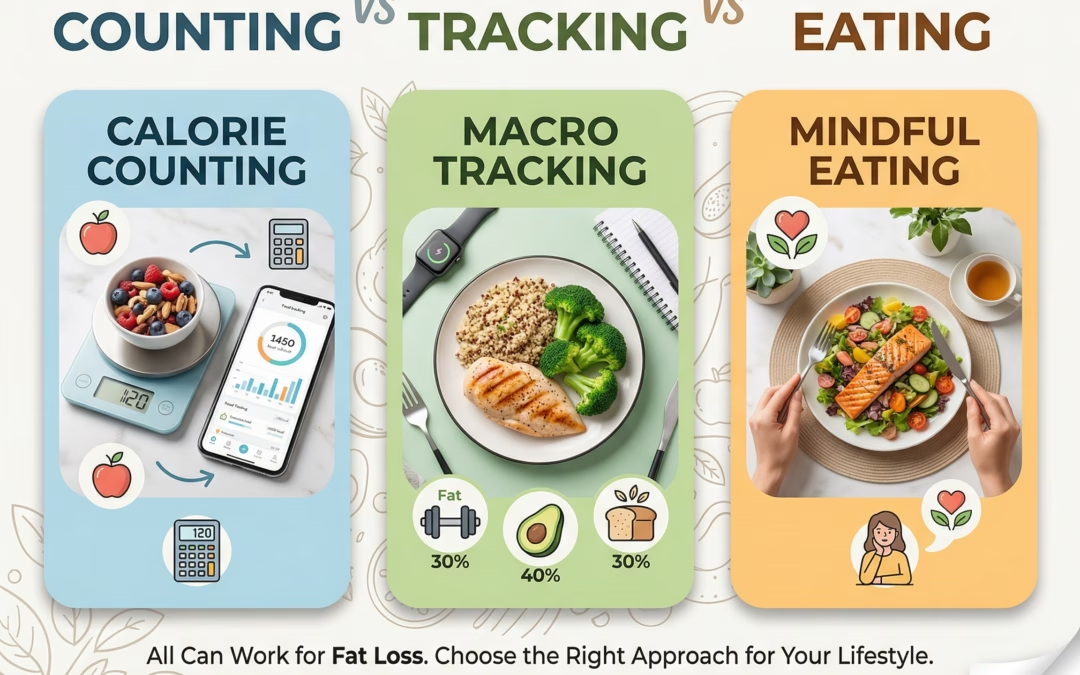
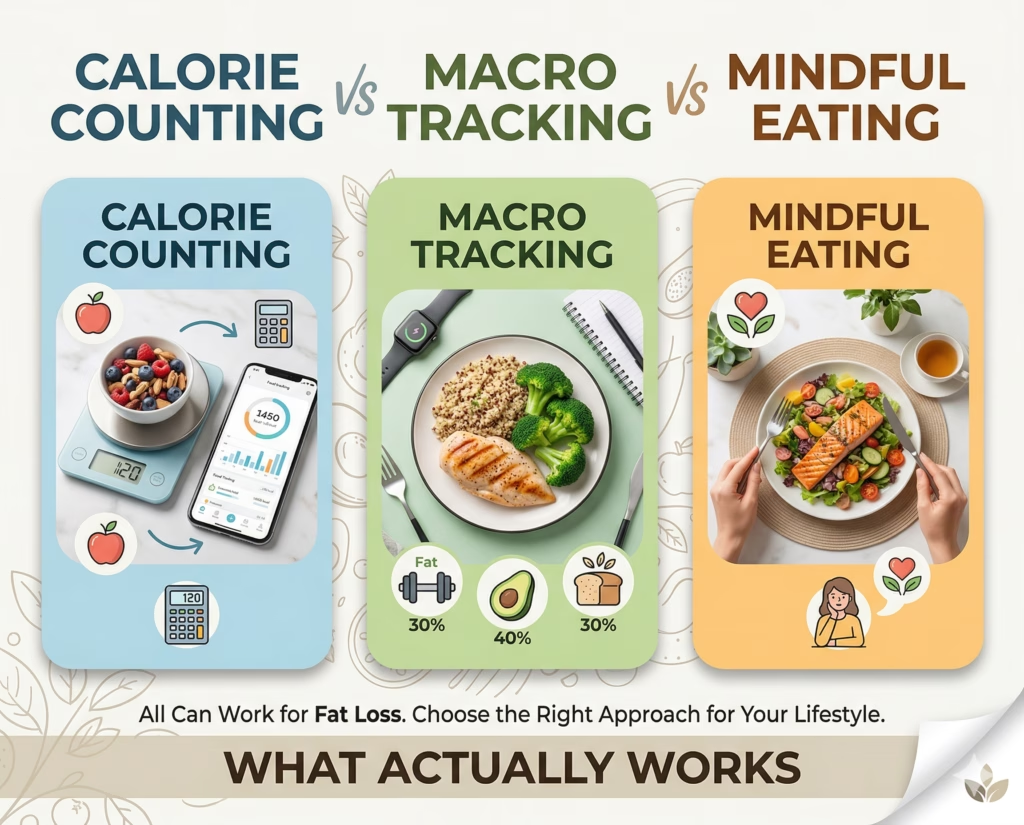
You’ve probably been told a dozen different ways to track your food. Count every calorie. No, forget calories — just hit your macros. Actually, ditch the apps entirely and eat mindfully. With so much conflicting advice, it’s easy to feel like you’re already failing before you’ve started. Here’s the truth: all three methods can work, and none of them is inherently superior. The real question isn’t which approach is best — it’s which one you’ll actually follow.

Calorie Counting vs Macro Tracking: What’s the Difference?

Let’s clear up the confusion first. Calorie counting focuses on one number: your total energy intake for the day. You set a target based on your goals, log your food, and aim to stay within that range. It’s straightforward, and for many people, that simplicity is the entire appeal.

Macro tracking takes things a step further. Instead of just counting total calories, you’re tracking where those calories come from — specifically protein, carbohydrates, and fat. This approach gives you more control over body composition because hitting adequate protein helps preserve muscle during fat loss, while adjusting carbs and fats can influence energy levels and workout performance.

The calorie counting vs macro tracking debate often misses the point. Both methods create awareness of what you’re eating, and both can produce a calorie deficit — which is the actual driver of fat loss. Macro tracking simply adds another layer of precision that some people find helpful and others find overwhelming.

Where Mindful Eating Fits In

Mindful eating takes a completely different approach. Instead of logging numbers, you focus on hunger and fullness cues, eating slowly, and making food choices based on how they make you feel. There’s no app, no spreadsheet, and no daily targets to hit.

For people who find tracking tedious or triggering, mindful eating for weight loss can be genuinely effective — especially when combined with a few structural guidelines. Prioritising protein at each meal, filling half your plate with vegetables, and limiting liquid calories can create a natural calorie deficit without ever opening a food diary.

The research supports this. Studies consistently show that adherence matters more than the specific method. A 2017 review in the Journal of the Academy of Nutrition and Dietetics found that various dietary approaches produced similar weight loss outcomes when calorie intake was matched. The best way to track food — or not track at all — is the one that fits your life.

How to Choose the Right Method for You

Choosing between calorie counting, macro tracking, or mindful eating comes down to your personality, goals, and lifestyle. Here’s a practical framework:

  • Choose calorie counting if: You like simplicity and just want one number to focus on. You’re new to paying attention to your food intake and want to build basic awareness without getting overwhelmed by details.
  • Choose macro tracking for fat loss if: You train regularly and want to optimise performance. You care about preserving muscle while losing fat, and you don’t mind spending a few extra minutes logging your meals with more precision.
  • Choose mindful eating if: Tracking feels like homework, triggers anxiety, or you’ve tried apps before and burned out. You’re willing to follow some basic guidelines around protein and fibre without needing exact numbers.

Here’s what matters more than the method itself: consistency over time. Ask yourself which approach you could realistically follow for six months. Not which one sounds most impressive or gets the best results in week one — which one fits into your actual life, including work stress, social events, and days when you just don’t feel like thinking about food.

Why Calorie Deficit Matters More Than the Method

Every successful fat loss approach shares one thing in common: a sustained calorie deficit. Whether you achieve that deficit by weighing your chicken breast to the gram or simply eating more vegetables and fewer snacks, the physiological outcome is the same. Your body doesn’t care whether you used MyFitnessPal or intuition — it responds to energy balance.

This is why the calorie counting vs macro tracking debate can feel frustrating. Both work. Neither is magic. The people who succeed with either method are the ones who find it sustainable enough to stick with through the inevitable ups and downs of real life.

The same applies to mindful eating. When done well, it naturally reduces calorie intake by helping you stop eating when satisfied rather than stuffed. When done poorly — without any structure or awareness — it can leave you guessing and frustrated. Adding a few guardrails, like protein targets or portion guidelines, bridges the gap.

The Bottom Line

There’s no single best way to track food for fat loss. Calorie counting builds awareness with minimal complexity. Macro tracking for fat loss adds precision that benefits active individuals. Mindful eating works for those who thrive without numbers. All three methods can create the calorie deficit needed for results — the difference is which one you’ll actually maintain.

Stop searching for the perfect system and start with the one that fits your life today. You can always adjust later. Six months of imperfect consistency beats two weeks of flawless tracking followed by burnout every time.

Thanks for reading. Here are some other ways we can help:

Social Media: Instagram  I  Youtube  I Facebook

Recipe: No Cook Chocolate Chip Granola Bars (+Protein Powder)

Recipe: No Cook Chocolate Chip Granola Bars (+Protein Powder)

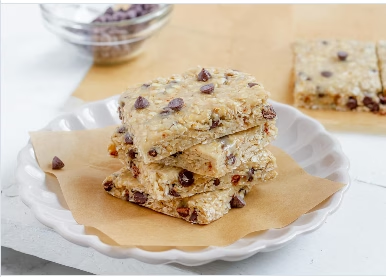
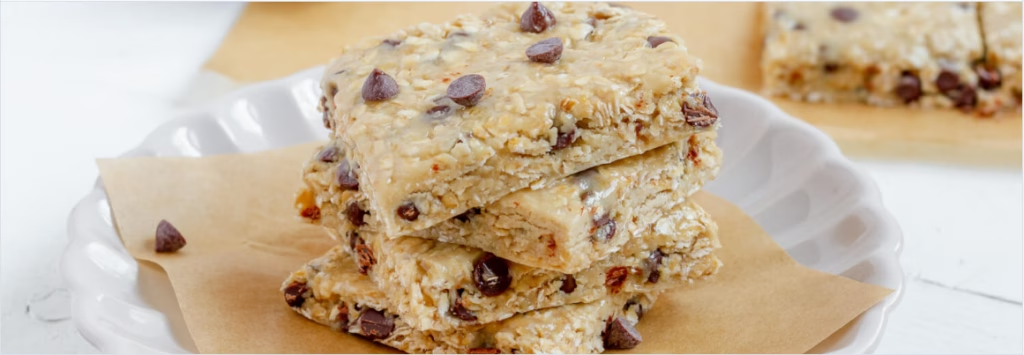
These no-cook chocolate chip granola bars come together in minutes with just five simple ingredients — no oven, no fuss. Peanut butter, oats, and chocolate protein powder give you a genuinely filling snack that tastes like dessert but delivers 14g of protein per bar. A perfect grab-and-go option when you need something quick between meals or after training.

Nutrition Per Serving

Calories: 229 | Protein: 14g | Carbs: 17g | Fat: 12g | Fibre: 2g

Makes 3 servings.

Ingredients

  • 3 tbsp all-natural peanut butter
  • 1 1/2 tsp honey
  • 2 tbsp dark chocolate chips (mini)
  • 1/4 cup quick oats
  • 1/3 cup chocolate protein powder

Instructions

1. Prep the Dish

Line a small baking dish with parchment paper, leaving a bit of overhang on the sides to make it easy to lift the bars out once they’re set.

2. Mix the Ingredients

In a small bowl, mix the peanut butter and honey together until smooth and well combined. Add the chocolate chips, quick oats, and chocolate protein powder, then mix well until everything is evenly incorporated. If the mixture feels too dry to come together, add a few teaspoons of water one at a time until it reaches a workable consistency.

3. Press, Chill, and Cut

Press the mixture firmly into all corners of the baking dish using a spatula or another piece of parchment paper to create a smooth, even surface. Chill in the fridge for at least 30 minutes before lifting out and cutting into bars. Enjoy!

Dietitian Tips

  • Storage — refrigerate in an airtight container for up to seven days, or freeze in individual portions for up to three months for a ready-to-grab snack anytime.
  • Serving size — a 7½ × 6-inch (19 × 15 cm) baking dish works well for this batch size. Slice into bars based on your macro goals — smaller bars for a lighter snack, larger for a post-workout refuel.
  • Swap the protein powder for vanilla or unflavoured if you prefer — the chocolate chips carry enough flavour on their own. Just make sure whatever powder you use plays well with peanut butter.
  • Make it nut-free by using sunflower seed butter in place of the peanut butter. The flavour is slightly different but still delicious.

Want more recipes like this?

Explore the Resources page for nutrition guides, meal planning tips, and more high-protein ideas to fuel your goals.

Leverage Nutrition clients get access to the full Recipe Selector — a personalized tool that filters recipes by your macros, preferences, and goals. Learn more about working with Michael →

5 Sneaky Reasons You’re Not Losing Fat (Even When You’re Doing “Everything Right”)

5 Sneaky Reasons You’re Not Losing Fat (Even When You’re Doing “Everything Right”)

Few things are more frustrating than feeling like you are doing everything right and still not seeing fat loss progress.

You are eating healthier. You are exercising regularly. You may even be tracking your food and trying to stay consistent. Yet the scale does not move, measurements stay the same, and motivation starts to drop.

When this happens, many people assume their body is broken or that they need to drastically cut calories. In reality, fat loss stalls often come from small factors that quietly add up over time.

Let’s look at five sneaky reasons fat loss may not be happening, even when your habits seem solid.


1. Portion Sizes Are Slowly Increasing

Healthy foods still contain calories. Over time, portion sizes can gradually increase without us noticing.

A handful of nuts becomes two handfuls. A spoonful of peanut butter becomes two. Cooking oils are added generously without measuring.

One client once told us she rarely snacked and mostly ate whole foods. After tracking for a week, she realized her portions had slowly grown over the past few months. Once she adjusted portions slightly, fat loss restarted without eliminating any foods.

Small changes in portions can quietly close the calorie deficit needed for fat loss.


2. Weekends Look Very Different from Weekdays

Many people have a consistent routine Monday through Thursday, but weekends often follow a completely different pattern.

Meals may be larger, social drinks become more common, and schedules become less structured. None of these are inherently negative, but the calorie difference can add up.

Imagine someone maintaining a moderate calorie deficit during the week but consuming significantly more calories on Friday and Saturday. The weekly calorie balance may end up close to maintenance.

One or two relaxed days can offset several disciplined days without it being obvious.


3. Daily Movement Has Dropped

Exercise is important, but it only represents a portion of the calories we burn each day. Daily movement outside of workouts also plays a major role.

When people reduce calories, the body often becomes more efficient. Subtle changes happen automatically. We may sit more, fidget less, or take fewer steps throughout the day.

These small changes can reduce daily calorie expenditure enough to stall fat loss.

A client once increased her daily steps from about 4,000 to 8,000 without changing her diet at all. Within a few weeks, progress resumed simply from the added movement.


4. Sleep and Stress Are Working Against You

Sleep and stress have a larger influence on fat loss than many people expect.

Poor sleep can increase hunger hormones and reduce the feeling of fullness after meals. Stress can increase cravings and make it harder to stick with consistent habits.

These effects are often subtle. Someone may not eat dramatically more food, but they may snack more often or choose higher calorie foods during stressful days.

Stress can also increase water retention, which may temporarily hide fat loss on the scale.

Improving sleep and managing stress can sometimes restart progress without any dietary changes.


5. You Are Only Looking at the Scale

The scale is a helpful tool, but it does not tell the full story.

Body weight can fluctuate from day to day based on hydration, sodium intake, hormonal changes, and digestive contents. It is possible to lose fat while the scale stays relatively stable for short periods.

This is especially common for people who begin strength training. Muscle maintenance and improved body composition may occur even when scale weight does not change quickly.

Tracking additional indicators such as waist measurements, progress photos, or how clothes fit can provide a clearer picture of progress.


What to Do If You Feel Stuck

If fat loss has stalled, the solution is usually small adjustments rather than extreme changes.

Consider reviewing the following areas:

  • Portion sizes

  • Weekend eating patterns

  • Daily movement and step counts

  • Sleep quality and stress levels

  • Progress measurements beyond the scale

Often, addressing one or two of these factors is enough to restore momentum.


The Bigger Picture

Fat loss is rarely stopped by one major mistake. More often, it slows because of small habits that gradually shift over time.

The good news is that small adjustments can create meaningful change. Instead of assuming you need a stricter diet or more intense workouts, look for the subtle factors influencing your routine.

Consistency, awareness, and patience often solve the problem faster than drastic changes.

Thanks for reading. Here are some other ways we can help:

Social Media: Instagram  I  Youtube  I Facebook