You’ve probably been told a dozen different ways to track your food. Count every calorie. No, forget calories — just hit your macros. Actually, ditch the apps entirely and eat mindfully. With so much conflicting advice, it’s easy to feel like you’re already failing before you’ve started. Here’s the truth: all three methods can work, and none of them is inherently superior. The real question isn’t which approach is best — it’s which one you’ll actually follow.
Calorie Counting vs Macro Tracking: What’s the Difference?
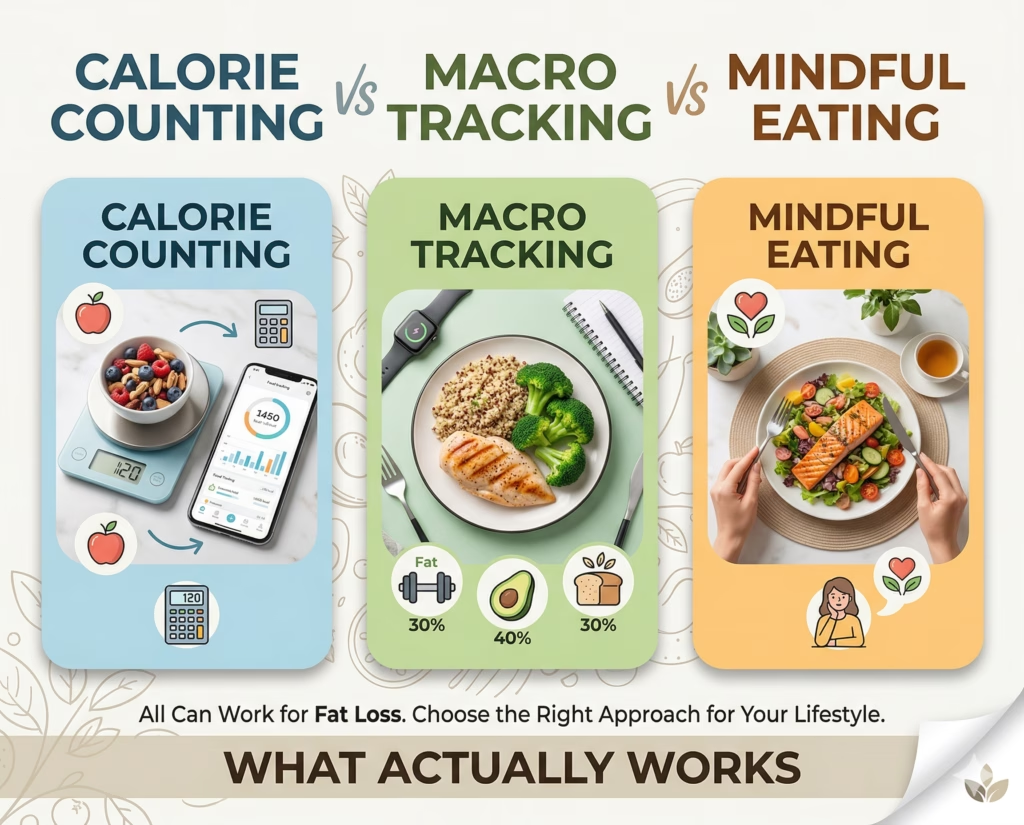
Let’s clear up the confusion first. Calorie counting focuses on one number: your total energy intake for the day. You set a target based on your goals, log your food, and aim to stay within that range. It’s straightforward, and for many people, that simplicity is the entire appeal.
Macro tracking takes things a step further. Instead of just counting total calories, you’re tracking where those calories come from — specifically protein, carbohydrates, and fat. This approach gives you more control over body composition because hitting adequate protein helps preserve muscle during fat loss, while adjusting carbs and fats can influence energy levels and workout performance.
The calorie counting vs macro tracking debate often misses the point. Both methods create awareness of what you’re eating, and both can produce a calorie deficit — which is the actual driver of fat loss. Macro tracking simply adds another layer of precision that some people find helpful and others find overwhelming.
Where Mindful Eating Fits In
Mindful eating takes a completely different approach. Instead of logging numbers, you focus on hunger and fullness cues, eating slowly, and making food choices based on how they make you feel. There’s no app, no spreadsheet, and no daily targets to hit.
For people who find tracking tedious or triggering, mindful eating for weight loss can be genuinely effective — especially when combined with a few structural guidelines. Prioritising protein at each meal, filling half your plate with vegetables, and limiting liquid calories can create a natural calorie deficit without ever opening a food diary.
The research supports this. Studies consistently show that adherence matters more than the specific method. A 2017 review in the Journal of the Academy of Nutrition and Dietetics found that various dietary approaches produced similar weight loss outcomes when calorie intake was matched. The best way to track food — or not track at all — is the one that fits your life.
How to Choose the Right Method for You
Choosing between calorie counting, macro tracking, or mindful eating comes down to your personality, goals, and lifestyle. Here’s a practical framework:
- Choose calorie counting if: You like simplicity and just want one number to focus on. You’re new to paying attention to your food intake and want to build basic awareness without getting overwhelmed by details.
- Choose macro tracking for fat loss if: You train regularly and want to optimise performance. You care about preserving muscle while losing fat, and you don’t mind spending a few extra minutes logging your meals with more precision.
- Choose mindful eating if: Tracking feels like homework, triggers anxiety, or you’ve tried apps before and burned out. You’re willing to follow some basic guidelines around protein and fibre without needing exact numbers.
Here’s what matters more than the method itself: consistency over time. Ask yourself which approach you could realistically follow for six months. Not which one sounds most impressive or gets the best results in week one — which one fits into your actual life, including work stress, social events, and days when you just don’t feel like thinking about food.
Why Calorie Deficit Matters More Than the Method
Every successful fat loss approach shares one thing in common: a sustained calorie deficit. Whether you achieve that deficit by weighing your chicken breast to the gram or simply eating more vegetables and fewer snacks, the physiological outcome is the same. Your body doesn’t care whether you used MyFitnessPal or intuition — it responds to energy balance.
This is why the calorie counting vs macro tracking debate can feel frustrating. Both work. Neither is magic. The people who succeed with either method are the ones who find it sustainable enough to stick with through the inevitable ups and downs of real life.
The same applies to mindful eating. When done well, it naturally reduces calorie intake by helping you stop eating when satisfied rather than stuffed. When done poorly — without any structure or awareness — it can leave you guessing and frustrated. Adding a few guardrails, like protein targets or portion guidelines, bridges the gap.
The Bottom Line
There’s no single best way to track food for fat loss. Calorie counting builds awareness with minimal complexity. Macro tracking for fat loss adds precision that benefits active individuals. Mindful eating works for those who thrive without numbers. All three methods can create the calorie deficit needed for results — the difference is which one you’ll actually maintain.
Stop searching for the perfect system and start with the one that fits your life today. You can always adjust later. Six months of imperfect consistency beats two weeks of flawless tracking followed by burnout every time.
Thanks for reading. Here are some other ways we can help: