Why You’re Stuck (and How to Restart Fat Loss Without Cutting More Calories)

Why You’re Stuck (and How to Restart Fat Loss Without Cutting More Calories)

Getting “stuck” during fat loss is one of the most frustrating experiences people face. You are eating carefully, moving regularly, and doing what worked before. Then suddenly, nothing changes. The scale stalls, measurements stay the same, and motivation drops.

The instinctive response is almost always the same: eat less. But cutting more calories is rarely the best solution and often makes the problem worse.

Understanding why fat loss stalls and knowing how to restart progress without further restriction can make the difference between long-term success and burnout.


Why Fat Loss Plateaus Happen

A fat loss plateau does not mean your body is broken. It usually means your body has adapted to the plan that once worked.

Your Energy Needs Change as You Lose Weight

As body weight decreases, the number of calories needed to maintain that weight also decreases. This means that what was once a calorie deficit may now be closer to maintenance.

A client once shared that she had lost nearly 20 pounds eating the same way for months. Progress slowed, so she assumed she needed to eat less. In reality, her body simply needed a different stimulus.


Daily Movement Often Drops Without Notice

When calories are lower, the body becomes more efficient. Subtle reductions in movement happen automatically. Fewer steps, more sitting, and less spontaneous activity throughout the day can significantly reduce daily energy expenditure.

This change is easy to miss because it is not intentional.


Stress and Poor Sleep Can Mask Fat Loss

High stress and inadequate sleep increase water retention and appetite hormones. The scale may appear stuck even when fat loss is happening.

Many people see progress resume after improving sleep consistency or reducing overall stress, without changing calories at all.


Inconsistent Tracking Adds Up Over Time

Portion sizes can slowly creep up. Snacks may not be logged. Weekends may look very different from weekdays. None of these are problems on their own, but together they can close the calorie gap that once drove fat loss.

This is not a discipline issue. It is a human one.


Why Cutting More Calories Often Backfires

Reducing calories further can increase hunger, fatigue, and irritability. It can also lead to muscle loss, which slows metabolism and makes fat loss harder over time.

Lower calories often result in:

  • Lower training performance

  • Reduced daily movement

  • Increased cravings

  • Higher risk of rebound eating

Instead of pushing harder, a smarter approach is often to change the inputs rather than reduce food.


How to Restart Fat Loss Without Eating Less

1. Increase Daily Movement

Increasing steps is one of the most effective and least stressful ways to restart fat loss.

An extra 2,000 to 3,000 steps per day can meaningfully increase calorie expenditure without increasing hunger. Walking is easy to recover from and fits into most lifestyles.

For many people, this alone is enough to restart progress.


2. Recommit to Strength Training

Strength training helps preserve muscle and increases overall energy expenditure. If workouts have become inconsistent or less challenging, progress may stall.

Increasing training frequency slightly or improving effort during sessions can reintroduce the stimulus needed for fat loss.

A client who had plateaued for weeks saw changes within two weeks after returning to three consistent strength sessions per week.


3. Improve Protein and Fibre Intake

Rather than reducing calories, improving food quality can make a significant difference. Protein and fibre help manage appetite, support muscle, and reduce overeating without restriction.

Small adjustments like adding protein to breakfast or increasing vegetable intake at meals often lead to better adherence and renewed progress.


4. Take a Short Diet Break

In some cases, eating at maintenance calories for one to two weeks can help restore energy, training performance, and motivation.

This is not a setback. It is a strategic pause that allows the body to recover before returning to a calorie deficit.

Many people return from a diet break feeling stronger and more consistent, which leads to better fat loss results afterward.


5. Improve Sleep and Stress Management

Sleep and stress are often overlooked. Even one additional hour of sleep per night can improve hunger regulation and recovery.

Better sleep supports:

  • Appetite control

  • Training performance

  • Daily movement

  • Water balance

These changes often show up on the scale without altering food intake.


How Long Should You Wait Before Changing Anything?

Fat loss is not linear. It is normal for weight to fluctuate or stall for short periods due to hydration, sodium intake, or hormonal shifts.

If progress has truly stalled for three to four weeks, it is time to reassess. If it has only been one week, patience may be the best move.


The Takeaway

Being stuck does not mean you need to eat less. More often, it means the plan needs a small adjustment.

Fat loss stalls are a signal, not a failure. By increasing movement, improving training quality, focusing on protein and fibre, managing stress, and occasionally taking breaks, progress can resume without further restriction.

Sustainable fat loss comes from working with your body, not fighting it.
Thanks for reading. Here are some other ways we can help:

Free – see “Free Resources” in website header.

Paid – see “Work With Us” in website header.

Social Media: Instagram  I  TikTok  I  Youtube  I Facebook


Alcohol, Sugar, and Fat Loss: How to Enjoy Drinks Without Ruining Progress

Alcohol, Sugar, and Fat Loss: How to Enjoy Drinks Without Ruining Progress

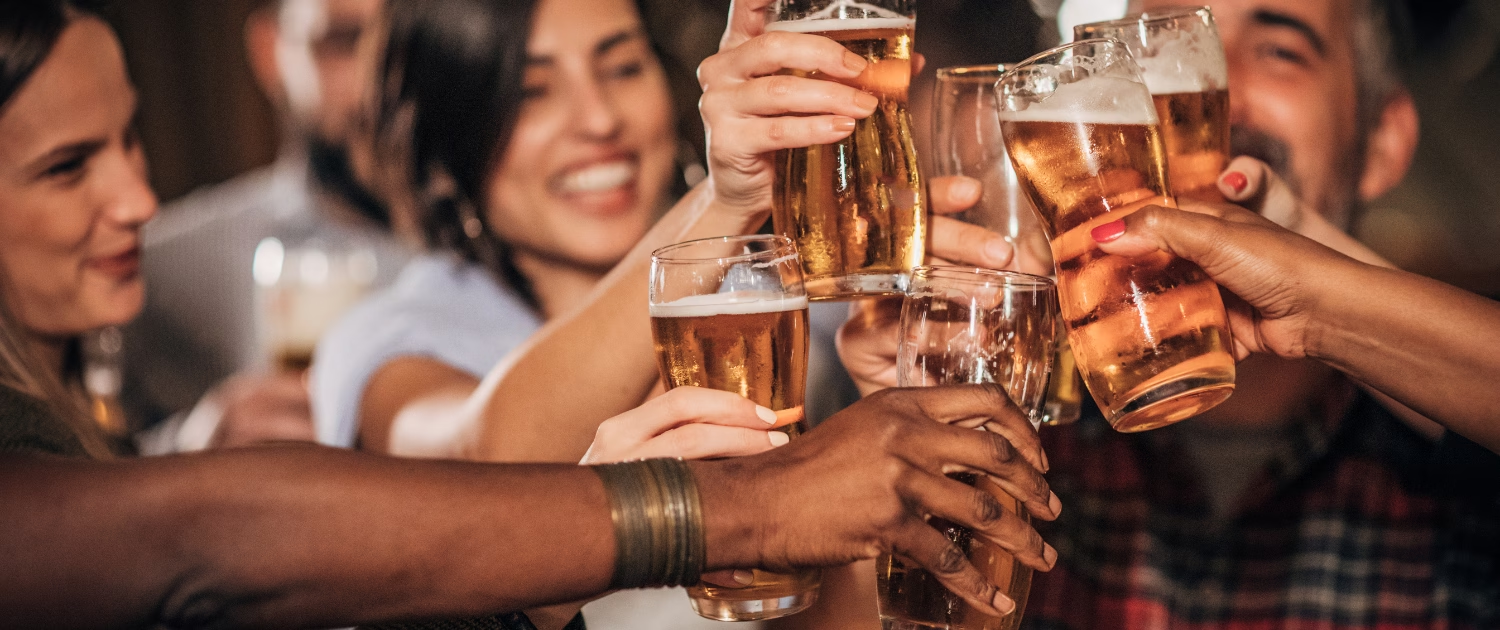
For many people working toward fat loss, alcohol feels like the one thing that “undoes everything.” A few drinks over the weekend and suddenly the scale jumps, motivation drops, and frustration sets in. This often leads to an all-or-nothing mindset where alcohol is either completely cut out or blamed for every lack of progress.

The reality is far more balanced. Alcohol and sugar do affect fat loss, but they do not automatically ruin progress. Understanding how they fit into the bigger picture allows you to enjoy drinks socially without feeling like you are starting over every Monday.


How Alcohol Actually Affects Fat Loss

Alcohol does not directly turn into body fat, but it does influence fat loss in a few important ways.

First, alcohol provides calories with very little nutritional value. At seven calories per gram, it is almost as calorie-dense as fat. Drinks can add up quickly, especially when mixed with sugary beverages.

Second, when alcohol is consumed, the body prioritizes metabolizing it. This temporarily slows fat oxidation, meaning fat burning is paused while alcohol is processed. This does not cause fat gain on its own, but it can affect overall progress if intake is frequent or excessive.

Third, alcohol can indirectly increase calorie intake by lowering inhibitions and increasing appetite. Many people notice they snack more or choose higher-calorie foods after drinking.

A common example we hear from clients is this: the drinks themselves are not excessive, but the late-night pizza or next-day takeout becomes the real issue. Alcohol often changes food decisions more than it changes metabolism.


Where Sugar Fits In

Sugar often gets blamed alongside alcohol, especially in cocktails. While sugar does contribute calories, it is not uniquely fattening. Fat loss still comes down to total calorie intake over time.

The challenge with sugar is how easy it is to consume large amounts without feeling full. Sweetened drinks, syrups, and juices add calories quickly but do little to manage hunger. When sugar is paired with alcohol, calorie intake can rise fast without much awareness.

This does not mean sugar must be eliminated. It simply means being intentional with choices, especially when drinks are part of the plan.


Why Weight Often Jumps After Drinking

Many people step on the scale after a night out and feel discouraged. The increase is often blamed on fat gain, but that is rarely the case.

Alcohol can:

  • Disrupt sleep quality

  • Increase water retention

  • Increase sodium intake from food choices

Poor sleep and higher sodium can lead to temporary water retention. This weight gain is not fat and usually resolves within a few days once hydration, sleep, and routine normalize.

Understanding this prevents unnecessary restriction or guilt-driven dieting after social events.


How to Enjoy Drinks Without Ruining Fat Loss Progress

1. Be Aware of Frequency, Not Perfection

Fat loss is influenced by what happens most of the time, not occasionally. A few drinks once in a while will not derail progress. Regular heavy drinking can.

For many people, setting a rough weekly limit feels more realistic than aiming for total elimination.


2. Choose Drinks That Are Easier to Manage

Some drinks naturally contain fewer calories and less sugar. Examples include:

  • Spirits with soda water and citrus

  • Wine in moderate amounts

  • Light beer

Cocktails made with syrups, juices, and cream-based mixers tend to be higher in calories. Choosing simpler drinks allows for enjoyment without excessive intake.


3. Eat Before Drinking

Having a balanced meal with protein and fibre before drinking helps stabilize appetite and reduces the likelihood of overeating later. People who drink on an empty stomach often feel the effects faster and snack more afterward.

One client shared that simply eating dinner before social drinks completely changed her weekends. She enjoyed her drinks and stopped ordering late-night food altogether.


4. Stay Hydrated

Alcohol is dehydrating, and thirst is often mistaken for hunger. Alternating alcoholic drinks with water helps with pacing, hydration, and next-day energy.


5. Avoid the “Write-Off” Mindset

One of the biggest mistakes is assuming that one night means the entire weekend is lost. This mindset often leads to overeating the next day and skipping movement.

Returning to normal habits as soon as possible keeps progress steady. One evening does not define the week.


Does Alcohol Need to Be Cut Out for Fat Loss?

For some people, temporarily reducing or eliminating alcohol can make fat loss easier, especially if progress has stalled. For others, moderate intake fits well within a balanced plan.

The key question is not whether alcohol is “allowed,” but whether it fits your goals, lifestyle, and ability to stay consistent.

Fat loss should be sustainable. A plan that requires complete social withdrawal rarely lasts.


The Big Picture

Alcohol and sugar are not the enemy of fat loss. Overconsumption, lack of awareness, and inconsistent habits are.

When drinks are enjoyed intentionally, balanced with food, and kept within reasonable limits, progress can continue smoothly. Fat loss is not about perfection. It is about patterns.

Understanding how alcohol and sugar affect the body allows you to make choices confidently, enjoy social moments, and stay aligned with long-term goals.

Thanks for reading. Here are some other ways we can help:

Free – see “Free Resources” in website header.

Paid – see “Work With Us” in website header.

Social Media: Instagram  I  TikTok  I  Youtube  I Facebook


Fasting for Fat Loss: Benefits, Myths, and When It Actually Helps

Fasting for Fat Loss: Benefits, Myths, and When It Actually Helps

Fasting has become one of the most talked about strategies for fat loss. People hear stories of dramatic transformations, improved focus, better digestion, and effortless weight loss. Others try fasting and feel tired, hungry, and frustrated when the scale does not move. So what is the truth about fasting for fat loss? Does it really work? And more importantly, when does it help and when does it make things harder?

Let’s break down the science, the benefits, the myths, and the situations where fasting can be a helpful tool rather than a stressful experience.


What Fasting Actually Is

Fasting simply means taking a scheduled break from eating. The most common version is intermittent fasting, where eating is limited to a specific window such as eight or ten hours. For many people this looks like skipping breakfast and eating from roughly noon to 8 p.m.

The idea is simple. With fewer hours to eat, it may become easier to reduce total calorie intake. When calorie intake drops below what the body needs to maintain weight, fat loss occurs.

Fasting is not magic. It does not override basic physiology. It can be a helpful framework that supports a calorie deficit for people who enjoy routine and find it easier to control eating when meals are grouped together.


The Potential Benefits of Fasting for Fat Loss

1. It Can Reduce Calorie Intake Without Tracking

Some people struggle with portion sizes or find calorie tracking overwhelming. A shorter eating window simplifies choices. If someone normally snacks late into the evening, closing the kitchen after dinner may naturally reduce overeating.

One of our clients described it as “less time to get myself into trouble.” She found that when she stopped eating after 7 p.m., she consumed fewer high calorie snacks and saw steady progress even without tracking.

2. It May Improve Appetite Awareness

Fasting windows can help people reconnect with true hunger. Instead of eating because food is available or because the day feels stressful, meals become more intentional.

3. It Can Create More Structure

Many people thrive with predictable routines. Fasting provides a consistent schedule that can help reduce mindless eating throughout the day.

4. It May Support Better Energy for Some Individuals

Some people report sharper focus in the morning when they skip breakfast. Others feel better when they start their meals later. The key is understanding personal preference rather than forcing an approach that does not feel supportive.


Common Myths About Fasting

Myth 1: Fasting Speeds Up the Metabolism

Fasting does not accelerate metabolic rate. In fact, long periods of very low calorie intake may reduce metabolism slightly. Fat loss comes from eating fewer calories over time, not from metabolic “boosts.”

Myth 2: Fasting Burns More Fat Than a Regular Calorie Deficit

Fasting only improves fat loss if it helps someone reduce total calories for the day. If the same calorie deficit is achieved with three balanced meals, the results are identical.

Myth 3: You Have to Skip Breakfast to Lose Weight

Some people do well without breakfast. Others need a morning meal to feel steady and avoid overeating later in the day. Fat loss success comes from consistency, not meal timing.

Myth 4: Fasting is the Best Strategy for Everyone

This is one of the most common misconceptions. Fasting works for some people because it fits their lifestyle and appetite patterns. For others it creates low energy, irritability, and rebound snacking.


When Fasting Actually Helps

Fasting is most effective in situations where it makes healthy eating easier and more predictable. It may be helpful when:

  • Someone struggles with evening snacking and wants to set a clear cut-off

  • Mornings are rushed and a person prefers to eat later in the day

  • Tracking calories feels overwhelming

  • Appetite is naturally lower earlier in the day

  • A person enjoys having larger meals within a smaller eating window

In these situations, fasting can feel freeing rather than restrictive.


When Fasting Makes Things Harder

Fasting is often not helpful when:

  • Someone becomes overly hungry and overeats later

  • Workouts are done in the morning and energy is low

  • Blood sugar drops lead to irritability or headaches

  • A person feels restricted and thinks about food more

  • It becomes difficult to meet protein or nutrient needs within a short window

We frequently see clients try fasting because they believe it is “the fastest way to lose fat,” only to experience intense cravings at night that lead to overeating. When they switch to structured meals with adequate protein and fibre, their hunger stabilizes and fat loss becomes far easier.

Fasting should simplify life, not complicate it.


A Balanced Way to Approach Fasting

If someone wants to try fasting for fat loss, it helps to set clear expectations and supportive habits.

1. Make Meals Balanced

Include protein, vegetables, whole grains or fruit, and healthy fats. Balanced meals help maintain fullness throughout the eating window.

2. Stay Hydrated

Thirst can be mistaken for hunger. Drinking water, herbal tea, or black coffee in the morning supports energy and reduces cravings.

3. Keep Strength Training

Strength training helps preserve muscle during a calorie deficit. Fasting should not replace workouts.

4. Listen to Hunger Signals

If fasting creates irritability, low energy, or compulsive evening eating, meals likely need to be moved earlier or spaced differently.

5. Remember That Fasting Is Only One Tool

It is not required for fat loss. It is simply one possible structure for people who enjoy it.


So, Does Fasting Work for Fat Loss?

Yes, fasting can support fat loss, but not because it has special powers. It works when it helps someone eat fewer calories in a way that feels natural and sustainable. The best fat loss strategy is the one that matches your appetite, lifestyle, schedule, and preferences. For some people that includes fasting. For others it does not.

What matters most is choosing an approach that you can repeat consistently. When habits feel sustainable, fat loss becomes far more predictable.

Thanks for reading. Here are some other ways we can help:

Free – see “Free Resources” in website header.

Paid – see “Work With Us” in website header.

Social Media: Instagram  I  TikTok  I  Youtube  I Facebook


Diet vs. Exercise: Which One Actually Drives Fat Loss?

Diet vs. Exercise: Which One Actually Drives Fat Loss?

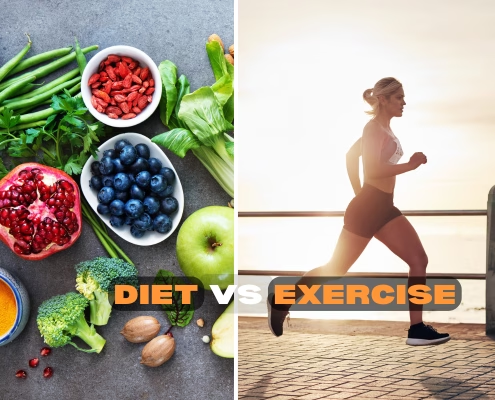
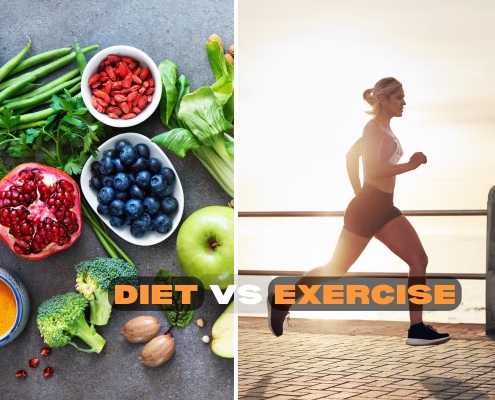
When people begin a fat loss journey, the first question that often comes up is whether diet or exercise matters more. Some people believe they can out-train any eating habits, while others focus entirely on food and skip workouts altogether. The truth is more balanced. Both play important roles, but not in the way many expect.

Understanding how diet and exercise each contribute to fat loss helps clear the confusion and gives you a practical strategy that works in real life.


Why Diet Usually Creates the Biggest Impact on Fat Loss

Fat loss requires a calorie deficit. This means the body needs to use more energy than it consumes. Although both diet and exercise influence this equation, diet has a stronger effect on the total amount of energy you take in each day.

Think of it this way. A slice of pizza might contain 300 calories. Walking off those calories may take 45 minutes. For someone with a busy schedule, it is far easier to adjust eating habits than to rely entirely on additional exercise.

One client explained it perfectly during a session. She said she always believed she should “hit the gym harder” to lose fat. During the week she exercised six times but barely saw changes. Once we adjusted her meals and added more balanced portions with protein and vegetables, she lost more in the first month than she had in the previous six.

The lesson is simple. You cannot outrun a consistently high calorie intake, even with frequent workouts.


What Exercise Contributes: Shape, Strength, and Sustainability

Although diet drives most of the calorie deficit needed for fat loss, exercise plays a crucial role in shaping the body and supporting long-term progress.

Strength Training Preserves Muscle

Strength training helps maintain muscle while losing weight. Muscle gives shape, supports posture, and increases daily energy expenditure. When people diet without strength training, they often lose muscle, which can lead to slower progress and a less toned appearance.

Exercise Supports Appetite Control

Regular activity can help regulate hunger and reduce cravings. Many people find they feel more in control of eating when they move throughout the week.

Cardio Helps Boost Daily Energy Burn

Cardio burns calories, improves endurance, and supports heart health. While it is not as efficient as dietary changes for creating a deficit, it can speed up results when combined with a balanced eating plan.

Movement Builds Momentum

Exercise creates structure. People who work out consistently often sleep better, make more supportive food choices, and stick to routines that help long-term fat loss.


Why “Diet Only” or “Exercise Only” Approaches Fall Short

Both extremes come with limitations.

Diet Only

A diet-only approach may lead to a lower number on the scale, but people often feel tired and lose muscle. Without strength training, the body becomes smaller but not stronger. This is the reason some people say they feel “soft” after dieting.

Exercise Only

An exercise-only approach may improve fitness, but without nutrition changes, fat loss is slow or inconsistent. It is common for people to overestimate the calories they burn in a workout and underestimate what they eat later in the day.

Someone might finish a hard workout, feel proud of their effort, and end the night with extra snacks because they believe they “earned it.” Over time this can cancel out the benefit of exercise.


The Winning Formula for Fat Loss

The most effective plan is not diet versus exercise. It is diet and exercise working together.

1. Use Diet to Drive the Calorie Deficit

This means eating in a way that creates a consistent and moderate calorie shortfall. It does not require extreme restrictions. Balanced meals with protein, fibre rich foods, and healthy fats help keep hunger under control and support steady fat loss.

2. Use Strength Training to Maintain Muscle

Strength training two or three times per week makes fat loss more efficient. It also helps maintain strength and increases how many calories you burn each day, even at rest.

3. Use Movement and Cardio to Boost Daily Activity

Walking, cycling, swimming, or any activity you enjoy can help increase the total number of calories burned. Even small increases in movement can support fat loss and improve overall health.

4. Keep the Focus on Long Term Habits

The fastest fat loss is not always the most sustainable. Consistent habits built around nutrition, movement, sleep, and stress management create lasting change without feeling overwhelmed or restricted.


Which One Actually Matters More?

If the goal is fat loss, diet has a larger impact on the results. However, exercise plays a major role in how your body looks, how well you feel, and how long you can maintain your progress.

One drives the change. The other helps you keep it.

Together, they create the most effective and sustainable approach to fat loss. When you combine both, you get the best of each: steady progress on the scale, increased energy, improved strength, and a body that not only weighs less but feels and functions better.

Thanks for reading. Here are some other ways we can help:

Free – see “Free Resources” in website header.

Paid – see “Work With Us” in website header.

Social Media: Instagram  I  TikTok  I  Youtube  I Facebook


The Truth About Quick Fat Loss: How to Speed It Up Safely

The Truth About Quick Fat Loss: How to Speed It Up Safely

Everywhere we look, someone is promising fast fat loss. “Lose 10 pounds in a week.” “Drop a dress size by Friday.” “Melt fat while you sleep.” These messages are tempting because they speak directly to the frustration many people feel when progress feels too slow.

The truth is more straightforward. Quick fat loss is possible, but only when it is done safely and strategically. When people approach it the wrong way, they usually end up in the same place they started: tired, hungry, and regaining the weight they worked so hard to lose.

In this article, we break down what quick fat loss really looks like, how to speed it up safely, and what actually moves the scale.


What “Quick but Safe” Fat Loss Actually Looks Like

Healthy fat loss usually happens at a rate of 0.5 to 1 percent of body weight per week. Quick but safe fat loss means aiming for the higher end of that range while keeping habits realistic and sustainable.

For example, someone weighing 200 pounds might lose one to two pounds per week when following an optimized plan. That might not sound dramatic compared to online transformation ads. Yet this pace preserves muscle, keeps energy steady, and leads to results that last longer than a weekend cleanse.


The 5 Factors That Speed Up Fat Loss Safely

1. A Calorie Deficit That Is Moderate, Not Extreme

A deficit of 15 to 25 percent below maintenance is usually enough to create steady, quick progress.

A typical example:
A man eating around 2,600 calories to maintain his weight may drop to a range of 2,000 to 2,200 calories. This level is often enough to see movement on the scale while still feeling satisfied and energized.

People often underestimate the power of a moderate deficit. It may feel slow in comparison to fad diets, yet it produces far better long-term results.


2. Higher Protein Intake

Protein makes a meaningful difference in how quickly fat loss happens. It helps with hunger control, supports muscle, and improves recovery from workouts.

Most people should aim for:

  • A source of protein at every meal

  • A target between 1.4 to 2.0 grams per kilogram of body weight per day

Someone weighing 180 pounds might aim for 100 to 140 grams daily. When protein goes up, staying in a calorie deficit becomes much easier.


3. Strength Training at Least Twice Per Week

Strength training is one of the most overlooked tools for speeding up fat loss. It helps maintain muscle while dieting and increases the number of calories burned throughout the day.

A client once told us she always relied on cardio for fat loss. After switching to three days per week of strength training, she noticed her shape change dramatically even though her scale weight only dropped slightly. The difference came from losing fat while keeping muscle.

Strength training plus a calorie deficit leads to faster, healthier fat loss than cardio alone.


4. More Daily Movement

One of the simplest ways to increase fat loss is through daily movement. This does not require long workouts. It can come from steps, short walks, or small increases in activity.

Small adjustments add up:

  • A 10-minute walk after meals

  • Parking farther away

  • Taking stairs instead of elevators

  • Breaking up long periods of sitting

Someone increasing their steps from 4,000 to 8,000 per day may burn several hundred additional calories without feeling like they are exercising more.

Thanks for reading. Here are some other ways we can help:

Free – see “Free Resources” in website header.

Paid – see “Work With Us” in website header.

Social Media: Instagram  I  TikTok  I  Youtube  I Facebook