
Intermittent Fasting: Some Pros and Cons to Consider

Intermittent Fasting: Some Pros and Cons to Consider
Let’s first give a little background on intermittent fasting. Intermittent fasting describes a diet approach that has defined fasting (no food) and feasting (eating) periods. There are many popular types, like the 5:2 diet, the ADF (Alternate Day Fasting) and the 16/8 fast – to name a few. We all do our own version to a certain extent when we sleep each night.

Most use intermittent fasting to reduce their total caloric intake in the day, helping them lose weight. Others use fasting for the health benefits, but I’m not going to talk about that in this post.

Precision Nutrition has a great summary of some of the benefits (although it’s pretty long-winded), here is a summary:

Benefits:

Reduced:

  • blood lipids (including decreased triglycerides and LDL cholesterol)
  • blood pressure (perhaps through changes in sympathetic/parasympathetic activity)
  • markers of inflammation (including CRP<, IL-6, TNF, BDNF, and more)
  • oxidative stress (using markers of protein, lipid, and DNA damage)
  • risk of cancer (through a host of proposed mechanisms)

Increased:

  • cellular turnover and repair (called autophagocytosis)
  • fat burning (increase in fatty acid oxidation later in the fast)
  • growth hormone release later in the fast (hormonally mediated)
  • metabolic rate later in the fast (stimulated by epinephrine and norepinephrine release)

Improved:

  • appetite control (perhaps through changes in PPY and ghrelin)
  • blood sugar control (by lowering blood glucose and increasing insulin sensitivity)
  • cardiovascular function (by offering protection against ischemic injury to the heart)
  • effectiveness of chemotherapy (by allowing for higher doses more frequently)
  • neurogenesis and neuronal plasticity (by offering protection against neurotoxins)

The above is quite an extensive list of the benefits, and you might be currently thinking: so everyone should be do intermittent fasting?

Well, let’s not get excited too fast…

Some things to consider…

All of the above proposed benefits don’t have context, so let’s talk about a few things to consider:

1. Current research shows that a lot of the above benefits may only be occur after longer periods of fasting. Depending on your activity levels, this can be as much as 24 hours or as little as 16 hours – either way, it’s an extensive time window.

2. Most of the research has been done using animal models, such as rodents. This limits what we can definitively say about the impact of intermittent fasting in humans. You might be asking “why don’t they recruit people to do their studies?” The reason is that people are notoriously difficult to deal with in research, 2 big reasons: First, it would be difficult to recruit people to a study where they will starve you for a period of time, then poke you with needles, and then prod your body fat; Second, people will inherently drop out or cheat during a study, which makes them unreliable. Also, people generally will only volunteer for a study when they are given a hefty cheque which makes the cost of the study quite high.

3. Many research studies compare intermittent fasting with “normal eating”. The normal North American diet is not ideal for health, body composition or performance. This normal diet tends to be hypercaloric (high in calories) compared to the intermittent fasting diets which tend to be hypocaloric (low in calories). This tends to cause the study participants to lose weight and improve their heart health, lower their risks for diseases, improve their body composition and in general feel better. But because these studies compare to the normal diet, this does not tell us if it is the weight loss causing these improvements (which has been shown over and over again in research), or if it is specifically the fasting that is causing this. In other words, maybe we can simply restrict calories at all of our meals and snacks to experience these same benefits.

Instead of me telling you whether you should/shouldn’t do intermittent fasting, here’s my list of Pros and Cons so you can make that decision for yourself.

Possible Pros

Provides structure of how to eat

By following a set eating structure you’re more likely to stick to eating at set times, which will prevent you from snacking or eating more. This should help you consume less calories. If you just eat based on internal hunger signals it’s a lot harder to eat less, especially since hunger is often falsely triggered by external cues – like the smell of fresh baked goods, or wanting to snack while watching T.V.

Allowance for bigger meals

The ability to have bigger meals, which also means more calories, will allow you to feel full after each meal. One thing to note: try to enjoy your food and not “inhale” it – this can be often what happens with your first meal when you break the fast.

Flexibility

The ability to have bigger meals ties into flexibility. It allows for more flexibility in meal options, like when socializing at a restaurant where most meals are 800 calories or more. A larger caloric allowance per meal also acts as a buffer for more calorically dense foods.

Relatively simple to follow

There aren’t a lot of “rules” to follow with intermittent fasting, rather just certain eating windows. So for many, it’s a lot easier to start and continue doing.

Experience hunger

Fasting can be a good exercise to feel what it’s like to be hungry, and wait until later to satisfy it. For many, when you get hungry there tends to be this panic that sets in that you need to eat ASAP. This can sometimes cause you to grab something quick, which can often be something less nutritious. Instead, if you sit with your hunger for 10-15 minutes, the feeling tends to go away. This can be reassuring for someone, like a parent with kids who are on-the-go, who now understand that they are able to wait and eat something more nutritious later.

Possible Cons

Not enough protein?

For some it will be hard to eat enough protein in the shortened eating window (eg. it might be hard to get 100g+ of protein with just 2 meals); related read: suggested protein intake needs.

Fasted training sucks

A lot of the fasting protocols out there have you doing fasted training, or the way your exercise schedule works with the protocol you end up training fasted a lot. If you’re doing any exercise with a higher heart rate component, your training will be mentally and physically challenging.

Ignoring hunger signals

At times you’ll have to ignore hunger signals and wait until when it’s time to eat. This can be problematic later on, eating when you’re hungry and stopping when you’re full is good practice to intuitively eat to manage your weight in the future.

Intense hunger cravings

Once you initially break the fast, you’re going to get overridden with hunger signals and it’s usually hard to slow down and eat a proper serving sized meal – this includes slowing down and chewing your food properly, which has been shown to have a lot of benefits.

Fullness disinhibition

When you’re finished eating this properly portioned meal, a meal that should make you feel full, you might experience fullness disinhibition. This means that, despite eating this properly portioned meal, your brain is still sending you hunger signals – these are strong signals that are hard to ignore, similar to binge eating. Which leads me to the next point.

Disordered eating and eating disorders

Intermittent fasting can result in some disordered eating behaviors, and in some cases be the trigger for an eating disorder. “For some people who are vulnerable (genetically) to binge eating, for example, intermittent fasting can set them up for a rebound binge. For other individuals who are genetically prone to anorexia nervosa, experimenting with intermittent fasting can be the first step in a slippery slope toward anorexia nervosa,” says Dr. Cynthia Bulik, the director of the Center for Excellence for Eating Disorders at the University of North Carolina and the director of the Centre for Eating Disorders Innovation at the Karolinska Institute.

Not applicable to specific populations

In general, I’ve found fasting doesn’t always work for: those new to dieting and exercise, parents with children, and athletes – mainly because their performance and recovery will likely suffer.

You should not be doing Intermittent fasting if you have advanced diabetes, a history of eating disorders like anorexia or bulimia, are pregnant, or are breastfeeding.

Hopefully the above pros and cons give you some more insight into whether intermittent fasting is for you or not.

I’ll end with saying one thing:

Fasting is not a superior way of dieting. The best diet, both from a health or weight loss approach, is a diet that is sustainable and that works for you.

Till next time,

-Mike
Some Strategies to Eat Healthier When You’re Busy

Some Strategies to Eat Healthier When You’re Busy

Not “having time” in regards to eating better is something I hear often with many of my clients. Admittedly, I also “don’t have” time, some times too. I’m using “quotations” because you’ll make time for something you want bad enough. That being said, time is a limited resource and using the tips below will help you get some time back and eat better.

So, what can you do?

1. Prepare meals in bulk

Whenever you make a meal, make more servings than you need.  That way you can package the intentional leftovers in tupperware containers and reheat later.

2. Find quick, convenient, and healthy recipes

Not all healthy meals take a long to make, so try to find recipes that you enjoy and are healthy that you can make with limited time. I personally really enjoy the Protein Packed Peanut Butter Oatmeal, or Fiber Loaded Peanut Butter Jam Protein Bowl recipes for breakfast. They are quick, nutritious, and keep me full for a long time. And, I get to sleep in longer in the morning because I know I don’t have to get up earlier to ensure I have enough time to make food – this will always make me happy.

3. Pay for convenience

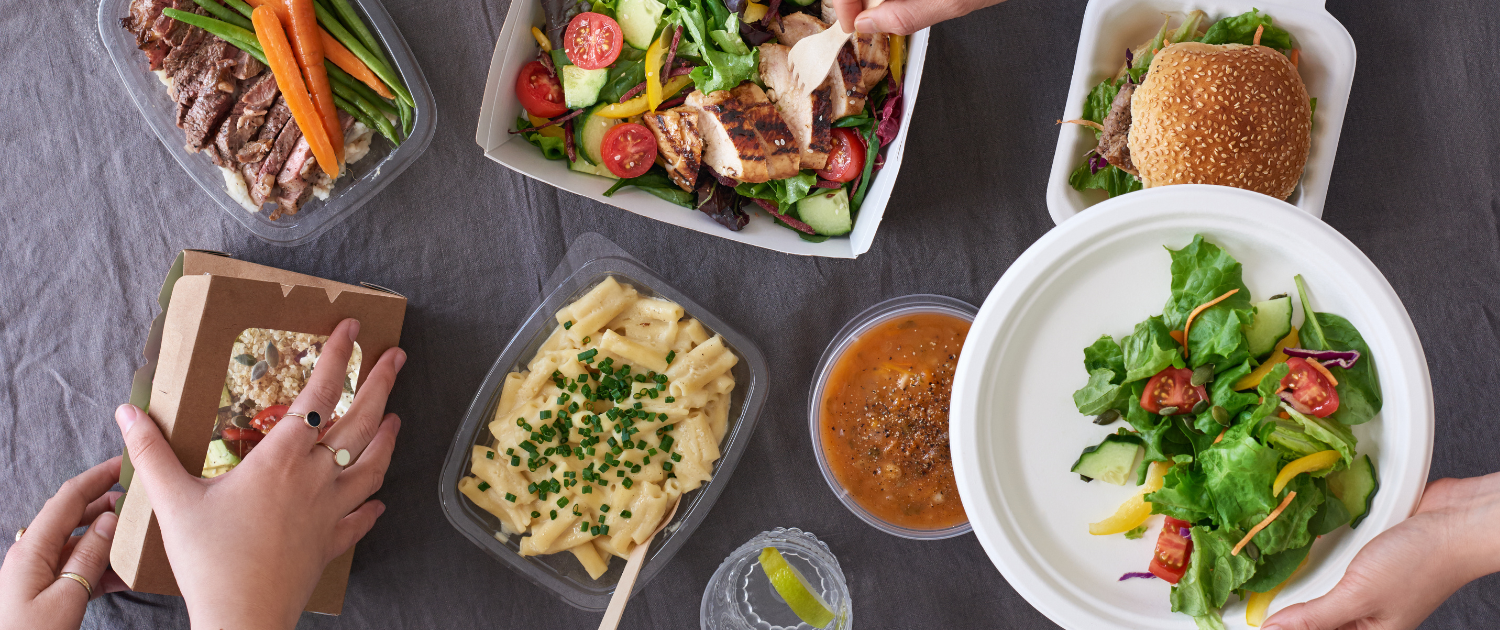
We live in an era where everyone seems to be busy. As such, convenience is now a product and can be bought as an add-on to regular everyday items. You are going to see parts of this point sprinkled into the other points below, but for this point I want to talk about convenience as it pertains to grocery stores. There are convenient and healthy food options at almost all grocery stores now. Yes they are more expensive, but if you want to save on food prep time then there’s value in that. Let me give you a few examples that you can use:

The above are just a few examples, but you get the picture. Are pre-cooked as nutritious and healthy as home-cooked versions? No, but, they are usually a better alternative than whatever other convenient option you were going to choose.

4. Shop for you groceries online

I’ve written a post about this (I Order My Groceries Online, You Should Too) before. Shopping online for groceries really does save a lot of time. You simple create your “cart” online, checkout, and then pick up at the scheduled time. It’s also a lot easier to search certain ingredients online instead of scanning the isles in person.

5. Pay for Pre-made Meals

There are companies out there that will cook your food for you. For example, MealKraft a company based out of Edmonton makes all of its meals on Saturday and drops them off  to their clients sunday.

From a price standpoint, it’s quite affordable for individuals; especially if you’re like me and it’s hard to shop fresh foods in bulk since you likely won’t get around to using them all. For more information about my opinion on pre-made meals, read this.

6.  Use The Microwave

First off, if you haven’t read my post about Microwaves and the nutritional value of foods, no microwaves don’t ruin the nutritional value of food. In fact, of all of the cooking methods out there they retain the nutritional value of food the best. Secondly, I’m not talking about microwavable dinners, I’m talking about preparing everyday foods with the microwave. There are many frozen food items that are healthy and just need to be heated up. Also, frozen is better than canned since it contains much less preservatives – salt usually being the biggest culprit.

You would be surprised what the microwave can do, and how many of the common foods and meals you can prepare with it. I wouldn’t recommend using it for large family gatherings or when the in-law’s come over, because it doesn’t always ensure thorough and even cooking. But hey, when you’re in need of something quick, it works and still allows you to eat healthy.

  • My favourite is making scrambled eggs: whip up some eggs in a mug (+ egg whites if you want extra volume and protein), add whatever vegetables you like, plus a sprinkle of cheese if you love cheese like me, then nuke it for 1 minute. Click Here for some mores ideas.

It can be somewhat of a catch 22 just cooking for yourself, you want make as many extra servings as you can to capitalize on the time spent cooking, but you also don’t want to eat the same thing everyday for the next week. But, It’s hard justifying spending 1 hour to make 1 serving of Salmon, potatoes, and asparagus…

Making home cooked meals is definitely the healthier approach and is usually more cost-effective. How you choose to save time, or not save time, is up to you. My goal was to just talk about a few options that you could use.

Till next time,

-Mike

How & Why You Should Get More Fibre In Your Diet

How & Why You Should Get More Fibre In Your Diet

Daniel Neuman, RD, has contributed to information in this blog post.

 ***

You have probably heard that fibre is important for your health. But, you may have not fully understood why or how much fibre you need daily. This post will review this by highlighting the health benefits of fibre, and give you a better understanding of what an adequate amount of fibre intake per day looks like.

What Is Dietary Fibre?

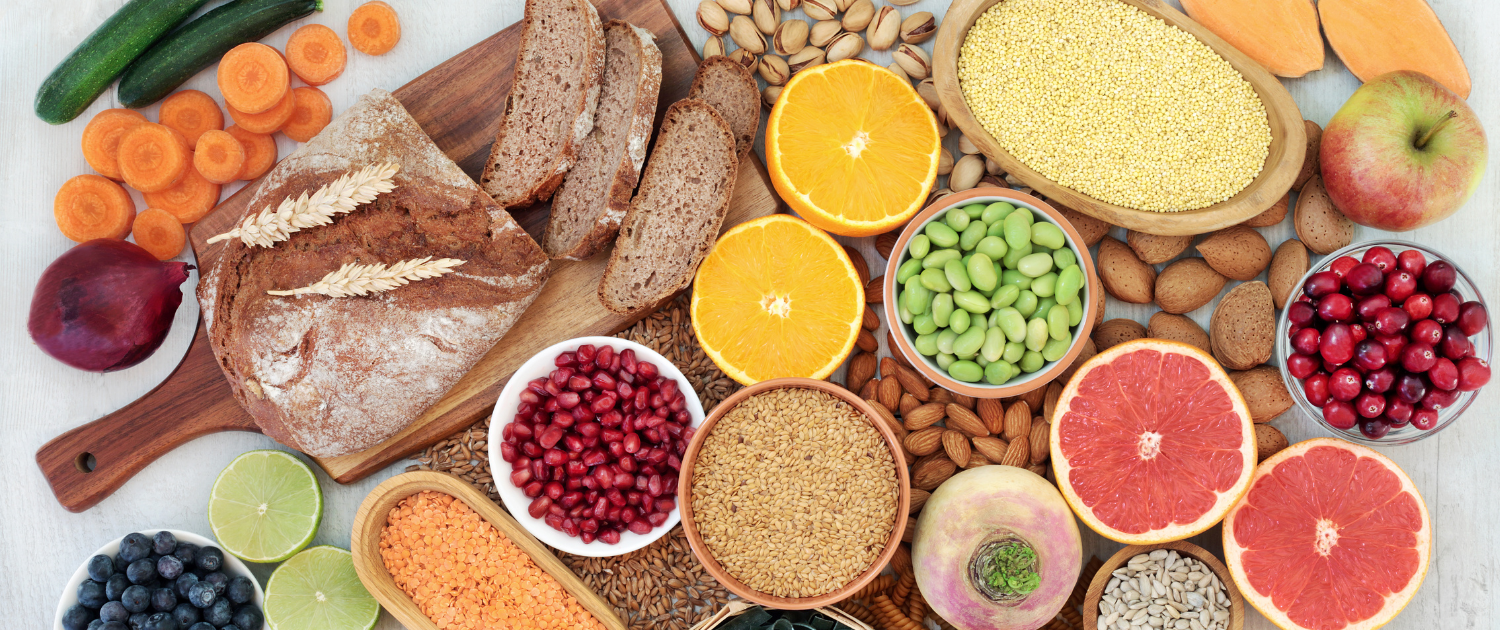
Dietary fibre is non-digestible carbohydrate found in plant foods like vegetables, fruit, legumes, whole grain cereals, nuts, and seeds. Another way of understanding this: fibre is something we eat but our body can’t breakdown, and there are benefits to this (more on this later).

Fibre can be grouped in two main types – Insoluble and soluble fibre, each type having separate and combined health benefits. Soluble fibre helps control blood sugars and lowers cholesterol. It is found is some fruits and vegetables, and grains like oats and chia seeds (it’s why things like chia pudding and overnight oats absorb water). It is also found in legumes like beans and lentils. Insoluble fibre helps keep you regular. It is found in vegetables and fruit, whole grains, and wheat bran.

How Much Fibre Do You Need?

This article highlights the different recommended amounts, but on average most adults need about 25g per day; this value will change depending on your energy intake requirements (it’s suggested to have 14g for every 1000 calories), which is based on your sex, age, weight, height, and activity level.

Side note: there are no dietary intake recommendations for infants, 1 y of age, because it is assumed that most of the nutrients will be provided by milk for the first 6 mo of life, and there are no data on fiber intake for infants until after 1 y of age.

Health Benefits of Fibre:

  • Promote regular bowel movements
  • Lower cholesterol, and decreased risk of coronary heart disease (2)
  • Diets high in dietary fibre help manage blood sugars more effectively, especially in those with diabetes (12)
  • Diets high in dietary fibre can help with weight management, and improve weight loss outcomes

How Can Fibre Help With Weight Loss?

Getting enough fibre is super important – Average fibre intake in the general population is only about half what is recommended by health organizations like Health Canada and the Heart & Stroke Foundation (14g/day versus the recommended 25-38g/day).

Ample research shows that a getting enough dietary fibre, in addition to many other health related benefits, can help with appetite regulation, adhering to diets, and improved weight loss outcomes.

What Else Does The Research Say?

A recent systematic review and meta-analysis of randomized controlled trials (basically, the highest quality study you can have, looking at many well done research studies) found that diets high in dietary fibre improved body weight and waist circumference, especially in overweight and obese adults. Some studies showed increasing fibre helped weight loss independent of how much calories they ate, and that people on high fibre diets stuck with their diet plan longer.

Similarly, two other recent systematic reviews found that dietary pulses (high fibre foods including beans, lentils, chickpeas, and dry beans), as well as soluble fibre supplementation can lead to weight loss even when the diets are not meant to be lower in calories.

The individual research studies on fibre show that dietary fibre may improve your metabolism, improve your gut health (including the bacteria that support digestion), help you stick to your diet longer, and many that look at specific conditions such as heart disease, diabetes, inflammatory bowel disease, constipation, diverticulitis, and more.

If you haven’t been convinced yet of the magic of fibre, just try increasing fibre in your diet and see for yourself! Or connect with a dietitian to see how you can maximize the benefits of increasing fibre in your diet.

Other Common Questions Answered:

Can I just take fibre supplements to ensure I’m getting enough fibre instead?
Well, you can, but you may be missing out on the synergistic and varied benefits of all the different fibres found in so many different foods.

There is a growing market for fibre in the supplement and food fortification industry. However, supplements usually just use one or two inexpensive forms of fibre that allows them to use fibre in their product health claim. Claims that in some cases may be misleading.

Whole foods on the other hand, contain a variety of different fibres you are unlikely to see in these types of products. I recommend to eat more whole foods. Whole foods naturally have a diverse array of fibres, each with their own health benefit.

I suggest to save your money on supplements and instead buy more vegetables, fruits, legumes, nuts, seeds, and whole grains!

What happens when you don’t have enough fibre?
The most notable response to diets providing very low levels of fiber intake is an increase in constipation. However, several negative physiological responses occur in individuals who consume low levels of dietary fiber over time, particularly an increased risk for coronary heart disease.

Can you have too much fibre?
Toxicity: No tolerable upper intake level has been set for dietary fiber (2). However, the IOM suggested that there may be a need for a tolerable upper intake level in the future if supplements or foods with added functional fiber were to become ubiquitous. Very high levels of consumption could lead to reductions in the absorption of some minerals. Yet, it is not thought that this could create mineral deficiencies in areas where diets are not limiting in minerals.

Are all sources of fibre created equal?
Types of fibre out there: Inulin, fructooligosaccharides, Psyllium-containing products, β-D-glucan, Galactooligosaccharides, Polydextrose, Resistant starch (RS2 and RS3)

No. Like mentioned above, you have two main groups of fibre – Insoluble and soluble. And each group many different fibre types within each group, with many different positive effects. For example beta-glucan is one type of soluble fibre found in oats that has been shown to lower cholesterol and improve heart health.

Understanding nutrient label claims

Content claims “source of fibre”, “high source of fibre”, and “very high source of fibre” can be made for foods containing respectively a minimum of 2, 4, or 6 grams of dietary fibre per serving. 

General Tips to Get More Fibre

At breakfast:

  • Add chia seeds and ground flax (each have about 4g fibre per tbsp) to oatmeal or smoothies
  • Top cereal or oatmeal with nuts and/or seeds (eg. pumpkin seeds, or chopped up almonds, pecans, or walnuts)
  • Add cinnamon (1.5g fibre in 1 tsp) or cocoa powder (1.8g fibre in 1 Tbsp) to oatmeal or smoothies

At lunch and supper:

  • Eat more vegetables (and fruit), nuts, and legumes; these are typically low calorie, nutrient dense, and have a lot of fibre.
  • Add chickpeas to pasta
  • Add lentils to soup
  • Add black beans to chili

With snacks:

  • When possible eat a fruit
  • Eat more nuts and seeds
  • Add berries or kiwi with yogurt
  • Apple with cheese
  • Banana with peanut butter
  • Berries, such as blueberries raspberries blackberries and strawberries.
  • Baby carrots with hummus Mini bell peppers with hummus
  • Roasted edamame beans
  • Air popped popcorn with smoked paprika
  • Low-fat plain or Greek yogurt topped with flaxseed

 In general:

  • Swap regular grains for whole grains (brown rice, quinoa)
  • Whole wheat bread for white bread
  • Include high fibre foods in your baking, such as bananas or applesauce instead of sugar, or adding in oats, flaxseed, bran flakes, and other whole grains. You could even make a sugarless chocolate zucchini bread.
  • Read food nutrition labels – Compare brands of the same type and choose the one higher in fibre.


Sample one day fibre menus

25g fibre (Adequate) 38g fibre (High)
Breakfast One homemade oat-bran muffinFruit smoothie (one banana, one cup frozen strawberries, and one cup skim milk). Smoothie bowl: Two cups greek yogurt, 1 cup blueberries, 60g rolled oats and 2Tbsp flax.
Snack One hard-boiled egg and a fruit. Two cups baby carrots and celery3/4 cup hummus.
Lunch Two cups homemade minestrone soup with 6 whole grain cracker Two cups white bean and turkey chiliOne medium whole grain pita
Dinner Teriyaki tofu vegetable stirfry (two cups mixed vegetables) with one cup brown rice (or quinoa) and one glass skim milk. Lemon garlic chicken breast with two cups cup cauliflower/broccoli, and one cup wild rice.


Take home message:

Good sources of dietary fiber include whole grains, legumes, vegetables, nuts and seeds, and fruits.

Fiber supplements can be used to increase the intake of dietary fiber, however, most experts recommend that fiber should be obtained through the consumption of foods, because this form allows consumption of many micronutrients and bioactive compounds contained in high fiber foods – which provide their own nutritional benefits

Make sure that when increasing fibre in your diet, you drink more water (at least 2-3 litres per day). – This will help prevent constipation.

Appropriate amounts of dietary fibre are only one part of a healthy balanced diet and lifestyle.

Till next time,
-Mike

In text citations will have [1] and hyperlinked to original source, as well as listed below.

  1. https://www.canada.ca/en/health-canada/services/nutrients/fibre.html
  2. https://www.heartandstroke.ca/get-healthy/healthy-eating/fibre-and-whole-grains
  3. https://pubmed.ncbi.nlm.nih.gov/31897475/
  4. https://www.ncbi.nlm.nih.gov/pmc/articles/PMC6722715/
  5. https://academic.oup.com/ajcn/article/106/6/1514/4823179
  6. https://www.ncbi.nlm.nih.gov/pmc/articles/PMC6306953/
  7. https://pubmed.ncbi.nlm.nih.gov/27030531/
  8. https://pubmed.ncbi.nlm.nih.gov/31174214/
  9. https://pubmed.ncbi.nlm.nih.gov/11396693/
  10. https://www.ncbi.nlm.nih.gov/pmc/articles/PMC6315720/
  11. https://www.ncbi.nlm.nih.gov/pmc/articles/PMC6073249/
  12. https://www.unlockfood.ca/en/Articles/Fibre/Getting-more-fibre.aspx
  13. https://www.unlockfood.ca/en/Articles/Fibre/Focus-on-Fibre.aspx
  14. https://www.unlockfood.ca/en/Articles/Fibre/?page=2
How To Get More Protein In Your Diet – and From Food, Not Supplements

How To Get More Protein In Your Diet – and From Food, Not Supplements

As a Registered Dietitian, I often get asked about the best ways to increase protein intake in one’s diet. Protein is an essential nutrient that is necessary for building and repairing tissues, making enzymes and hormones, and supporting immune function. Many people turn to protein supplements to meet their daily protein needs, but it’s important to know that you can get enough protein from whole foods as well. In this blog post, we will discuss some simple ways to increase your protein intake from food, not supplements.

What is Protein?

Protein is a macronutrient that is made up of amino acids. Amino acids are the building blocks of protein and are essential for many functions in the body. There are 20 different amino acids, and the body can make some of them, but others must be obtained through the diet. These are called essential amino acids.

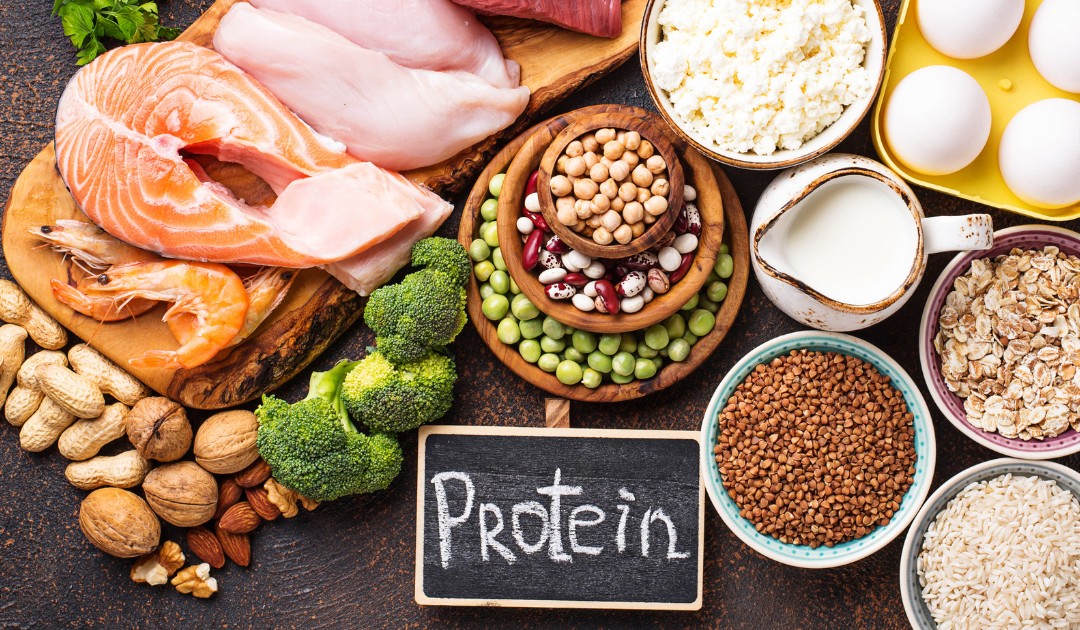
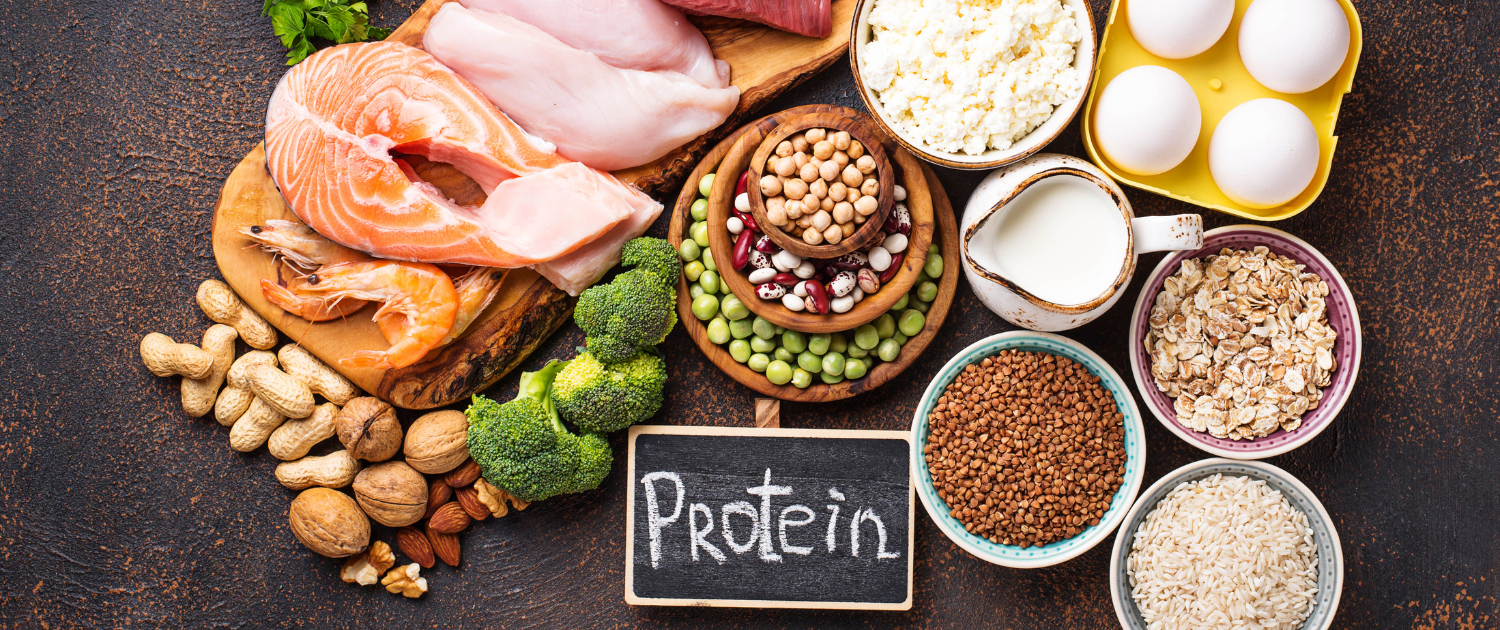
Protein is found in many different types of foods, including meat, fish, poultry, dairy, eggs, legumes, nuts, and seeds. The amount of protein in these foods varies, so it’s important to choose a variety of protein sources to ensure you’re getting all the essential amino acids your body needs.

How Much Protein Do You Need?

The amount of protein you need depends on many factors, including your age, sex, weight, and activity level. The Recommended Dietary Allowance (RDA) for protein is 0.8 grams per kilogram of body weight per day. However, this is just the minimum amount needed to prevent deficiency. Many experts recommend higher protein intake for optimal health and weight management.

For example, athletes and people who are physically active may need more protein to support muscle growth and repair. Older adults may also need more protein to prevent muscle loss and maintain strength. If you’re not sure how much protein you need, consult with a Registered Dietitian who can help you determine the right amount for your individual needs.

How to Get More Protein From Food

Now that we’ve covered the basics of protein, let’s talk about how to get more of it from whole foods. Here are some simple ways to increase your protein intake:

Eat More Meat, Poultry, and Fish
Meat, poultry, and fish are some of the best sources of protein. These foods are high in protein and contain all the essential amino acids your body needs. For example, a 3-ounce serving of cooked chicken breast contains about 26 grams of protein, while a 3-ounce serving of cooked salmon contains about 22 grams of protein. Other high-protein animal foods include beef, pork, turkey, tuna, and eggs.

Choose Greek Yogurt or Cottage Cheese
Greek yogurt and cottage cheese are great sources of protein, and they’re versatile enough to be used in many different ways. For example, you can add Greek yogurt to smoothies or use it as a substitute for sour cream. A 6-ounce serving of Greek yogurt contains about 17 grams of protein, while a 1/2 cup serving of cottage cheese contains about 14 grams of protein.

Include Legumes in Your Diet
Legumes are a group of plants that includes beans, lentils, peas, and chickpeas. These foods are high in protein, fiber, and other important nutrients. They’re also a good source of complex carbohydrates, which provide sustained energy. For example, a 1/2 cup serving of cooked lentils contains about 9 grams of protein, while a 1/2 cup serving of cooked black beans contains about 8 grams of protein.

Snack on Nuts and Seeds
Nuts and seeds are a great source of protein, healthy fats, and other important nutrients. They’re also convenient and easy to snack on. For example, a 4 ounce serving of almonds contains about 6 grams of protein, while a 2 tablespoon serving of chia seeds contains about 4 grams of protein.

Incorporate Protein-Rich Vegetables
Many vegetables are surprisingly high in protein. Broccoli, spinach, Brussels sprouts, and asparagus are all good examples of protein-rich veggies. For example, a 1 cup serving of cooked spinach contains about 5 grams of protein, while a 1 cup serving of cooked Brussels sprouts contains about 4 grams of protein.

Make Protein Smoothies
Smoothies are a great way to pack in protein while also getting a variety of nutrients from fruits and veggies. You can add protein powder to your smoothies, but you can also use other high-protein ingredients like Greek yogurt, nut butter, and tofu. For example, a smoothie made with 1 cup of unsweetened almond milk, 1 scoop of vanilla protein powder, 1/2 banana, and 1 tablespoon of almond butter contains about 25 grams of protein.

Try Meat Substitutes
If you’re looking for plant-based protein sources, there are many meat substitutes available that are high in protein. For example, tempeh, tofu, and seitan are all good sources of protein. A 3-ounce serving of tempeh contains about 16 grams of protein, while a 3-ounce serving of firm tofu contains about 8 grams of protein.

Make High-Protein Snacks
Having high-protein snacks on hand can help you meet your daily protein needs. Some good options include hard-boiled eggs, turkey slices, beef jerky, and protein bars. Just make sure to choose snacks that are low in added sugars and other unhealthy ingredients.

Conclusion

Getting enough protein in your diet is important for overall health and wellbeing. While supplements can be a convenient way to boost your protein intake, it’s important to remember that whole foods are a great source of protein too. By incorporating protein-rich foods into your diet, you can meet your daily protein needs without relying on supplements. Remember to choose a variety of protein sources to ensure you’re getting all the essential amino acids your body needs. If you’re not sure how to incorporate more protein into your diet, consult with a Registered Dietitian who can help you develop a personalized nutrition plan.

Tips To Help You Increase Calories In Your Diet

Tips To Help You Increase Calories In Your Diet

For those looking to build muscle or maximize sports performance, you often need more calories than you’re currently consuming. Especially if you’re highly active.

If you’re not getting enough calories, you’re not maximally: building muscle, recovering, or performing in your sport.

Below are some tips to help increase your calories:

1. Liquid Calories

A great way to add quality calories to the diet is through the addition of milk and/or juice, instead of water/calorieless drinks (eg. like diet pop).

Example:

  • Add a glass of milk to breakfast and an afternoon snack

Smoothies work well too, since fluid is less filling than solids and you’ll be able to comfortably eat more.

2. Healthy Fats

At 9 calories per gram, fat is the most dense calorie macronutrient (protein and carbohydrates are only 4 calories per gram). The addition of small amounts of oils and nuts will make a big impact.

Here are some common recommendations we make to clients:

  • Add a handful of nuts (pecans, cashews, almonds, walnuts, etc.) or seeds (sunflower, pumpkin, etc.) to your morning and/or afternoon snack; can also add these to salads.
  • Add extra tablespoon(s) olive oil to your salads; you can also do this with rice and pasta
  • Liberally use nut butter spreads, like peanut butter, where possible – like peanut butter and toast, peanut butter with apple slices, or adding nut butters to oatmeals
  • Add chia, flax, or hemp seeds to smoothies or oatmeals
  • Add avocado spreads to sandwiches
  • Have hummus with vegetable sticks as calorie dense and healthy snack
  • Higher fat % milks
  • Introduce / increase serving sizes of cheeses

3. Increase Meal Frequency

If you’re eating more frequently it is easer to eat more food, and will help you from feeling too full at any one meal. Further, once you get into the habit of eating on a regular structure you’ll start to get hungry at these regular time intervals – for example, if you’re not typically hungry at breakfast, you’ll start to once you gradually introduce eating at that time.

4. Dried Fruit

Dried fruit is less filling than whole fruit, and are a great snack. Raisans have have 290 calories for 100g, compared to 80 calories for 100g of grapes. Similarly, dried apricots have 220 calories for 100g while whole fruit apricots are 44 calories per 100g.

5. Be mindful of protein and fibre intake

Both protein and fibre are very filling, so by eating more of each might make you too full to consume enough calories. Get the necessary amount of each, then look to fill the rest of your diet with healthy fats and healthy carbs (sweet potato, baked potato, rice, pasta, beans, quinoa, etc).

6. Higher Fat Meats

Choosing higher fat meats will subtly help you increase calories. Instead of having leaner cuts, like chicken breast, try chicken or turkey thighs/legs. Try having a pot roast, short ribs, and moderate intake of processed meats like salami and sausage.

Hope the above tips were helpful. If you need help with your nutrition, click here to fill out a client interest from.

Till next time,

-Mike