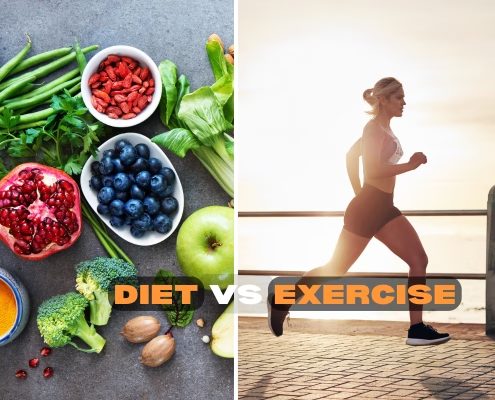
Why Diet Usually Creates the Biggest Impact on Fat Loss
Fat loss requires a calorie deficit. This means the body needs to use more energy than it consumes. Although both diet and exercise influence this equation, diet has a stronger effect on the total amount of energy you take in each day.
Think of it this way. A slice of pizza might contain 300 calories. Walking off those calories may take 45 minutes. For someone with a busy schedule, it is far easier to adjust eating habits than to rely entirely on additional exercise.
One client explained it perfectly during a session. She said she always believed she should “hit the gym harder” to lose fat. During the week she exercised six times but barely saw changes. Once we adjusted her meals and added more balanced portions with protein and vegetables, she lost more in the first month than she had in the previous six.
The lesson is simple. You cannot outrun a consistently high calorie intake, even with frequent workouts.
What Exercise Contributes: Shape, Strength, and Sustainability
Although diet drives most of the calorie deficit needed for fat loss, exercise plays a crucial role in shaping the body and supporting long-term progress.
Strength Training Preserves Muscle
Strength training helps maintain muscle while losing weight. Muscle gives shape, supports posture, and increases daily energy expenditure. When people diet without strength training, they often lose muscle, which can lead to slower progress and a less toned appearance.
Exercise Supports Appetite Control
Regular activity can help regulate hunger and reduce cravings. Many people find they feel more in control of eating when they move throughout the week.
Cardio Helps Boost Daily Energy Burn
Cardio burns calories, improves endurance, and supports heart health. While it is not as efficient as dietary changes for creating a deficit, it can speed up results when combined with a balanced eating plan.
Movement Builds Momentum
Exercise creates structure. People who work out consistently often sleep better, make more supportive food choices, and stick to routines that help long-term fat loss.
Why “Diet Only” or “Exercise Only” Approaches Fall Short
Both extremes come with limitations.
Diet Only
A diet-only approach may lead to a lower number on the scale, but people often feel tired and lose muscle. Without strength training, the body becomes smaller but not stronger. This is the reason some people say they feel “soft” after dieting.
Exercise Only
An exercise-only approach may improve fitness, but without nutrition changes, fat loss is slow or inconsistent. It is common for people to overestimate the calories they burn in a workout and underestimate what they eat later in the day.
Someone might finish a hard workout, feel proud of their effort, and end the night with extra snacks because they believe they “earned it.” Over time this can cancel out the benefit of exercise.
The Winning Formula for Fat Loss
The most effective plan is not diet versus exercise. It is diet and exercise working together.
1. Use Diet to Drive the Calorie Deficit
This means eating in a way that creates a consistent and moderate calorie shortfall. It does not require extreme restrictions. Balanced meals with protein, fibre rich foods, and healthy fats help keep hunger under control and support steady fat loss.
2. Use Strength Training to Maintain Muscle
Strength training two or three times per week makes fat loss more efficient. It also helps maintain strength and increases how many calories you burn each day, even at rest.
3. Use Movement and Cardio to Boost Daily Activity
Walking, cycling, swimming, or any activity you enjoy can help increase the total number of calories burned. Even small increases in movement can support fat loss and improve overall health.
4. Keep the Focus on Long Term Habits
The fastest fat loss is not always the most sustainable. Consistent habits built around nutrition, movement, sleep, and stress management create lasting change without feeling overwhelmed or restricted.
Which One Actually Matters More?
If the goal is fat loss, diet has a larger impact on the results. However, exercise plays a major role in how your body looks, how well you feel, and how long you can maintain your progress.
One drives the change. The other helps you keep it.
Together, they create the most effective and sustainable approach to fat loss. When you combine both, you get the best of each: steady progress on the scale, increased energy, improved strength, and a body that not only weighs less but feels and functions better.